LED High Bay Light: Energy-Efficient Industrial Lighting Solutions for Warehouses and Facilities

Get a Free Quote

Our representative will contact you soon.
Email
Name
Company Name
Message
0/1000

led high bay light

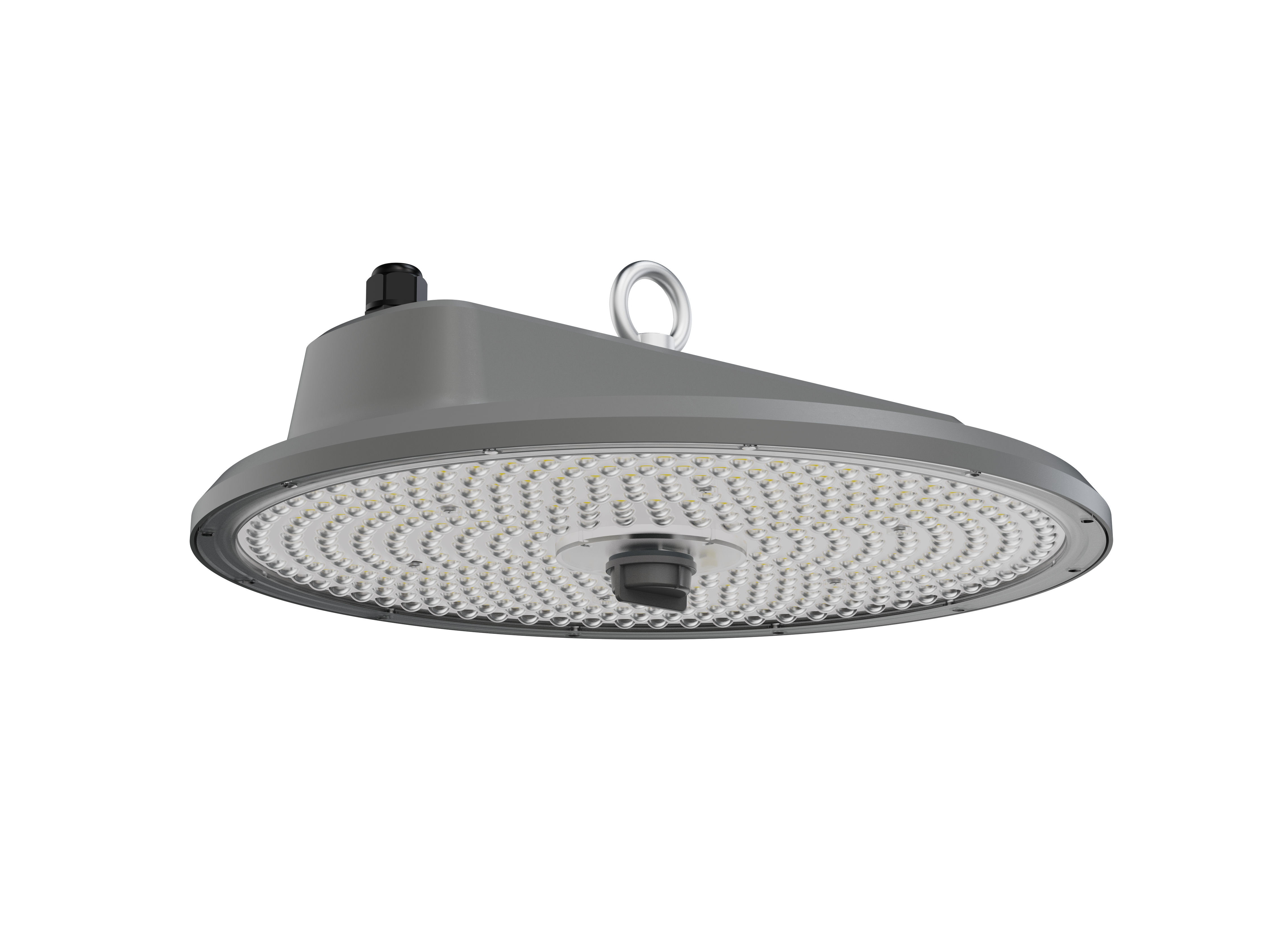
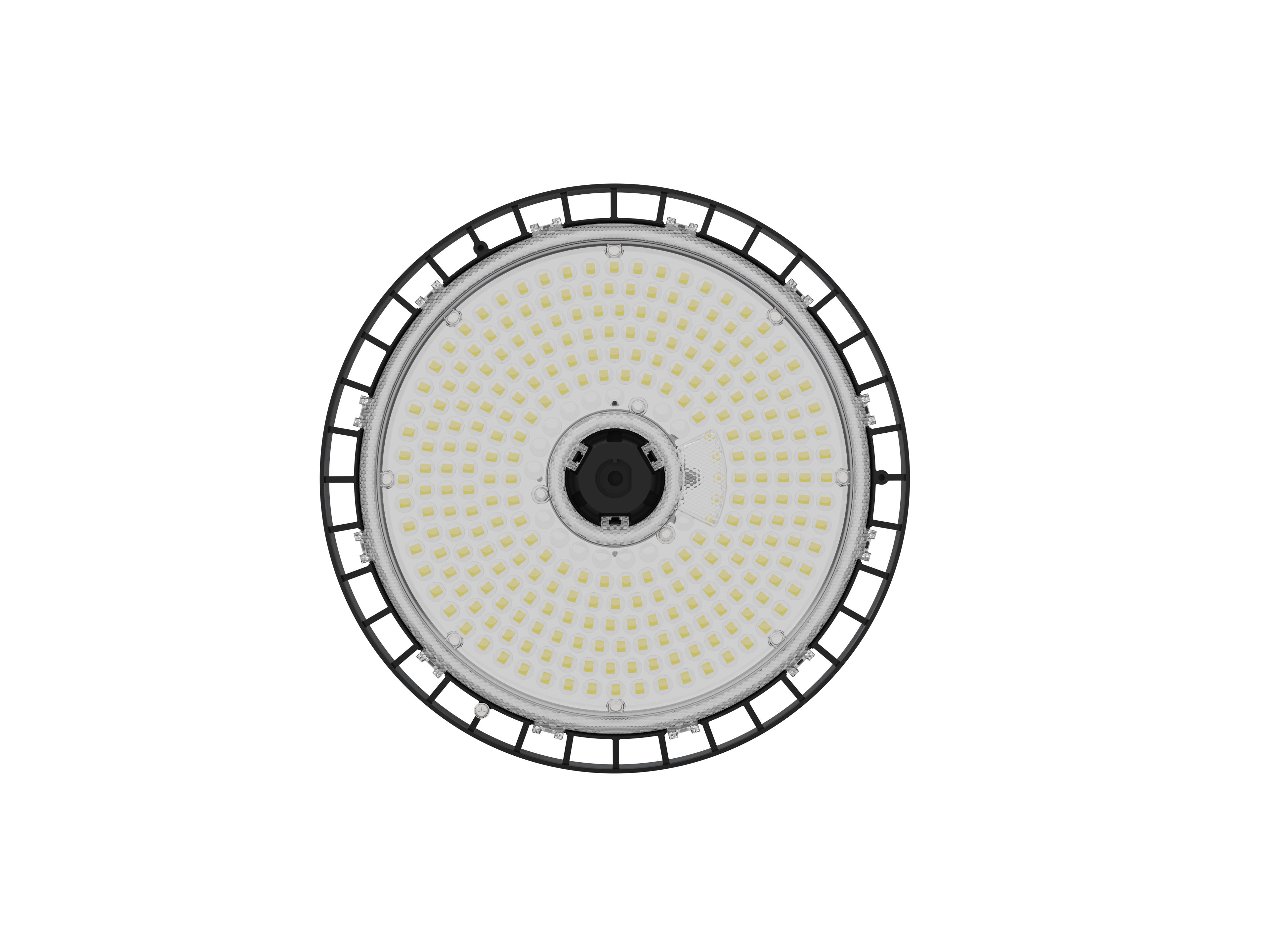
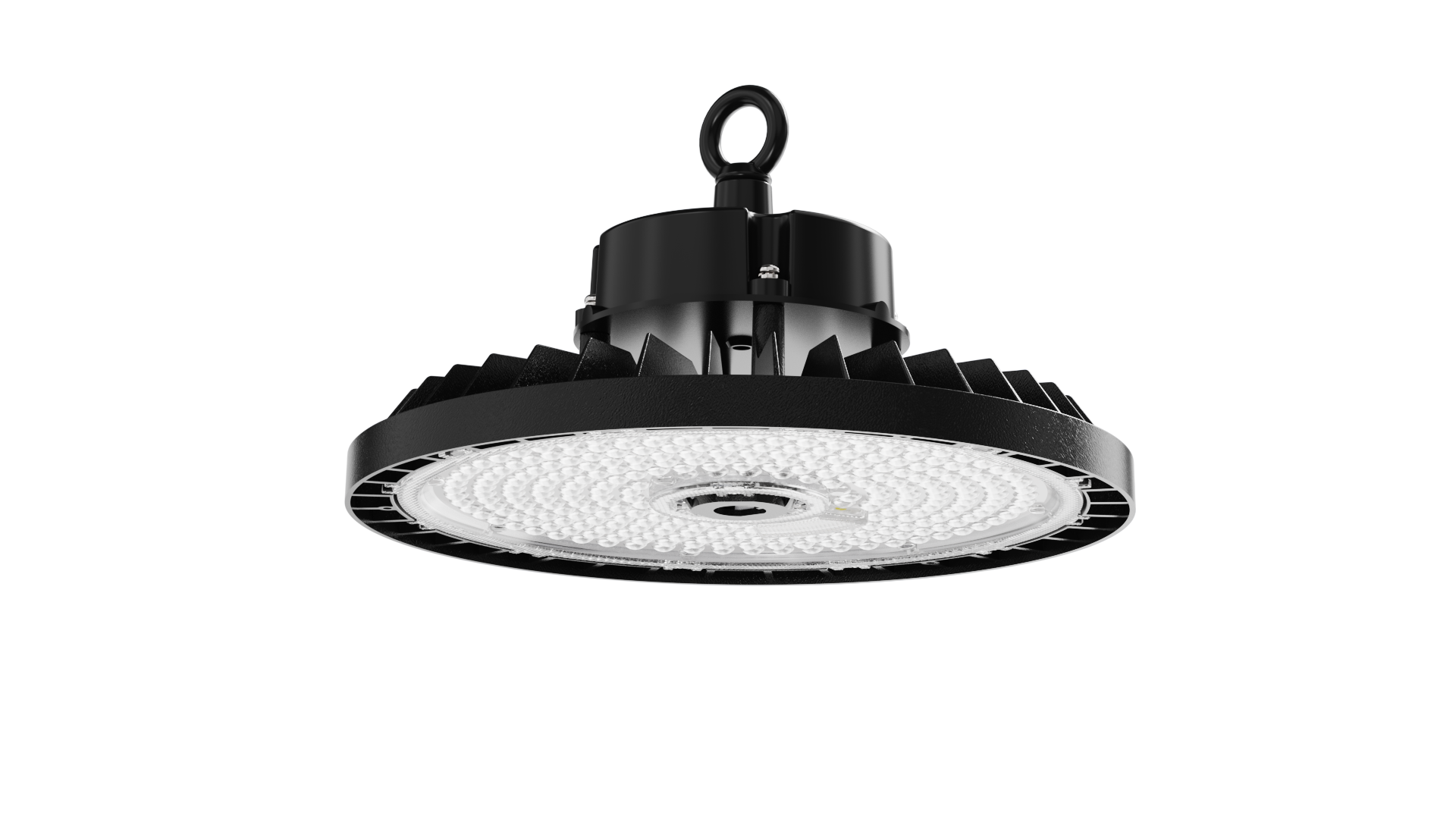
The led high bay light represents a powerful lighting solution specifically engineered for spaces with elevated ceilings ranging from 20 to 45 feet or higher. These robust fixtures deliver exceptional illumination for large-scale commercial, industrial, and recreational facilities where conventional lighting systems fall short. The primary function of the led high bay light centers on providing uniform, bright illumination across expansive areas while maintaining energy efficiency and reducing operational costs. These fixtures utilize advanced LED technology that converts electrical energy into visible light with minimal heat generation, ensuring optimal performance in demanding environments. The technological features of the led high bay light include high-lumen output capabilities, typically ranging from 10,000 to 50,000 lumens per fixture, precision-engineered reflectors and lenses that distribute light evenly across large spaces, and intelligent thermal management systems that dissipate heat effectively to prolong component lifespan. Modern led high bay light models incorporate dimmable drivers, motion sensors, and daylight harvesting capabilities that automatically adjust brightness levels based on occupancy and natural light availability. The construction typically features durable die-cast aluminum housings with powder-coated finishes that resist corrosion, impact-resistant polycarbonate lenses, and IP65 or higher ingress protection ratings that safeguard internal components against dust and moisture infiltration. Application environments for the led high bay light span warehouses, manufacturing plants, distribution centers, gymnasiums, aircraft hangars, retail superstores, exhibition halls, and logistics facilities. These lighting systems prove particularly valuable in settings requiring consistent visibility for safety, productivity, and quality control purposes. The modular design of contemporary led high bay light fixtures facilitates straightforward installation using pendant mounts, chain suspensions, hook attachments, or direct ceiling mounting configurations, accommodating diverse architectural requirements and retrofit scenarios without extensive modifications to existing infrastructure.


Popular Products

The led high bay light delivers remarkable energy savings that directly impact your bottom line, consuming up to 75 percent less electricity compared to traditional metal halide or fluorescent alternatives while producing equivalent or superior brightness levels. This dramatic reduction in power consumption translates to substantially lower utility bills month after month, allowing businesses to recoup their initial investment typically within two to three years through accumulated energy savings alone. The exceptional longevity of the led high bay light stands out as another compelling advantage, with operational lifespans extending between 50,000 to 100,000 hours under normal conditions, which equates to approximately 10 to 20 years of continuous use. This extended lifespan means you spend significantly less time and money on replacement bulbs, ladder rentals, maintenance personnel, and workflow disruptions caused by lighting failures. Unlike older technologies that require frequent relamping and ballast replacements, the led high bay light operates reliably with minimal intervention, freeing up resources for core business activities. The instant-on capability of the led high bay light eliminates the frustrating warm-up periods associated with traditional high-intensity discharge lamps, providing full brightness immediately upon activation. This feature proves invaluable in facilities requiring immediate illumination for safety protocols or time-sensitive operations. The superior light quality produced by the led high bay light enhances visibility and reduces eye strain for workers, contributing to improved safety, accuracy, and productivity throughout your facility. With color rendering index values typically ranging from 70 to 90, these fixtures reproduce colors naturally, enabling workers to distinguish details, identify products correctly, and perform quality inspections with confidence. The led high bay light generates minimal heat compared to conventional lighting systems, creating a more comfortable work environment while reducing cooling costs in temperature-sensitive facilities. Traditional high bay fixtures waste substantial energy as heat radiation, forcing air conditioning systems to work harder to maintain comfortable temperatures. Environmental benefits accompany the practical advantages, as the led high bay light contains no hazardous mercury or other toxic materials, simplifies disposal procedures, and contributes to corporate sustainability initiatives. The reduced carbon footprint resulting from lower energy consumption helps organizations meet environmental regulations and demonstrate social responsibility to stakeholders and customers alike.

Practical Tips

How Can Grille Light Support Efficient Lighting Layouts in Buildings?

01

May

How Can Grille Light Support Efficient Lighting Layouts in Buildings?

Efficient lighting layouts in modern buildings require careful consideration of both functional illumination and energy performance, and grille light fixtures have emerged as a cornerstone solution for architects and facility managers seeking optimal...
View More
What Factors Affect the Lifespan of a High-Quality LED Bulb?

08

May

What Factors Affect the Lifespan of a High-Quality LED Bulb?

Understanding the LED bulb lifespan is essential for facility managers, procurement specialists, and business owners who seek to optimize lighting investments while reducing operational costs. While manufacturers often advertise impressive longevity ...
View More
Why Is LED Batten Widely Used for Utility and Functional Lighting?

20

May

Why Is LED Batten Widely Used for Utility and Functional Lighting?

The transformation of commercial and industrial lighting over the past decade has been driven by technologies that combine energy efficiency with practical performance. Among these innovations, the LED batten has emerged as a dominant fixture in util...
View More
Why Is LED Batten Ideal for Simple and Efficient Lighting Solutions?

27

May

Why Is LED Batten Ideal for Simple and Efficient Lighting Solutions?

Modern commercial and industrial environments demand lighting solutions that combine simplicity with performance, and LED batten fixtures have emerged as a leading choice for spaces requiring straightforward yet effective illumination. These linear l...
View More

Get a Free Quote

Our representative will contact you soon.
Email
Name
Company Name
Message
0/1000

led high bay light

Advanced Energy Efficiency and Cost Reduction

Advanced Energy Efficiency and Cost Reduction

The led high bay light revolutionizes facility lighting economics through groundbreaking energy efficiency that fundamentally transforms operational expenditures for businesses across industrial and commercial sectors. Traditional high bay lighting systems utilizing metal halide, high-pressure sodium, or T5 fluorescent technologies consume enormous amounts of electricity while generating excessive heat that compounds cooling expenses, creating a cascing financial burden that accumulates over time. In stark contrast, the led high bay light achieves the same or better illumination levels while drawing only a fraction of the electrical power, typically reducing energy consumption by 60 to 75 percent depending on the specific fixtures being replaced and operational parameters. This extraordinary efficiency stems from the fundamental physics of LED technology, which converts electrical energy directly into photons through electroluminescence rather than relying on heating filaments or exciting gases, processes that inherently waste substantial energy as heat rather than useful light. For a typical warehouse operating 24 hours daily with 100 high bay fixtures, switching from 400-watt metal halide lamps to equivalent 150-watt led high bay light units reduces annual electricity consumption by approximately 219,000 kilowatt-hours, translating to tens of thousands of dollars in utility savings depending on local electricity rates. These savings compound year after year throughout the extended operational life of the led high bay light, creating a compelling return on investment that typically pays back the initial fixture costs within two to four years while continuing to deliver savings for another 15 to 20 years beyond the payback period. The financial benefits extend beyond direct energy savings, encompassing reduced maintenance labor costs, elimination of expensive relamping programs, decreased cooling expenses in climate-controlled facilities, and potential utility rebates or tax incentives available in many jurisdictions for energy-efficient lighting upgrades. The led high bay light also provides businesses with greater budget predictability by stabilizing lighting-related expenses and insulating operations from volatile energy price fluctuations that can disrupt financial planning.
Exceptional Durability and Minimal Maintenance Requirements

Exceptional Durability and Minimal Maintenance Requirements

The led high bay light sets new standards for reliability and longevity in demanding industrial environments, delivering maintenance-free performance that dramatically reduces the hidden costs and operational disruptions associated with lighting system upkeep. Traditional high bay lighting technologies suffer from relatively short operational lifespans, with metal halide lamps typically lasting 10,000 to 20,000 hours and requiring complete fixture ballast replacements every few years, creating recurring expenses and logistical challenges that drain resources and interrupt productivity. The led high bay light transcends these limitations through solid-state lighting technology that contains no fragile filaments, electrodes, or gases that degrade rapidly under thermal stress and mechanical vibration, instead utilizing semiconductor chips that maintain consistent output for 50,000 to 100,000 hours or more depending on operating conditions and thermal management quality. This represents approximately 10 to 20 years of continuous 24-hour operation before brightness diminishes to 70 percent of original output, the industry standard end-of-life threshold, though many led high bay light fixtures continue providing useful illumination well beyond this point. The robust construction of quality led high bay light products incorporates industrial-grade materials specifically selected for harsh environment performance, including heavy-duty die-cast aluminum housings that withstand impacts and vibration, thermally efficient heat sinks that maintain optimal chip temperatures, sealed optical chambers with IP65 or IP66 ratings that prevent dust and moisture ingress, and shatterproof polycarbonate lenses that resist breakage from accidental impacts or falling objects. This rugged design philosophy ensures the led high bay light continues operating reliably in challenging conditions including temperature extremes ranging from minus 40 to plus 50 degrees Celsius, high-humidity environments, locations with significant airborne particulates, and facilities subject to mechanical vibration from heavy machinery or material handling equipment. The maintenance advantages extend beyond longevity to encompass the elimination of scheduled relamping programs that require facility managers to coordinate equipment access, arrange for lift rentals or scaffolding, allocate maintenance personnel away from other duties, and accept production disruptions during lighting replacements, hidden costs that often exceed the bulb expenses themselves.
Superior Light Quality and Operational Flexibility

Superior Light Quality and Operational Flexibility

The led high bay light delivers exceptional illumination characteristics that enhance visibility, improve safety, and support productive work environments while offering unprecedented control flexibility that enables facilities to optimize lighting performance for specific applications and operational patterns. Unlike traditional lighting technologies that produce light through thermal radiation or gas discharge processes that generate broad-spectrum output with significant energy in non-visible wavelengths, the led high bay light emits targeted wavelengths in the visible spectrum, maximizing useful illumination while minimizing wasted energy. This spectral precision enables the led high bay light to achieve superior efficacy measured in lumens per watt, the key metric quantifying how effectively electrical input converts to visible light output, with leading fixtures delivering 130 to 160 lumens per watt compared to 80 to 100 for metal halide systems and even less for older technologies. The color rendering properties of quality led high bay light products enhance visual acuity and color discrimination critical for quality control, assembly operations, inventory management, and safety awareness, with color rendering index values typically ranging from 70 to 90 depending on LED chip selection and phosphor formulations. Higher CRI values enable workers to distinguish subtle color variations, identify products accurately, detect defects, read labels clearly, and perceive their environment naturally, reducing errors and supporting efficient operations. The instant-on capability of the led high bay light provides full brightness immediately upon energization without warm-up delays, eliminating the three to fifteen minute restrike times required by HID technologies after power interruptions, a critical advantage for facilities requiring immediate illumination for safety or security purposes and operations that cannot tolerate lighting delays during brief power fluctuations. Modern led high bay light fixtures incorporate intelligent features that extend functionality far beyond simple on-off operation, including 0-10V dimming capability that enables gradual brightness adjustment from 100 percent down to 10 percent or lower, motion sensors that automatically illuminate areas when occupied and dim or extinguish lights during vacancy periods, daylight harvesting sensors that reduce artificial lighting in areas receiving natural sunlight, and wireless networking that enables centralized control, scheduling, and monitoring through building management systems or dedicated lighting control platforms.

Get a Free Quote

Our representative will contact you soon.
Email
Name
Company Name
Message
0/1000