Die-Cast Aluminum High Bay Lights: Durable, Efficient Industrial LED Lighting Solutions

Get a Free Quote

Our representative will contact you soon.
Email
Name
Company Name
Message
0/1000

die-cast aluminum high bay

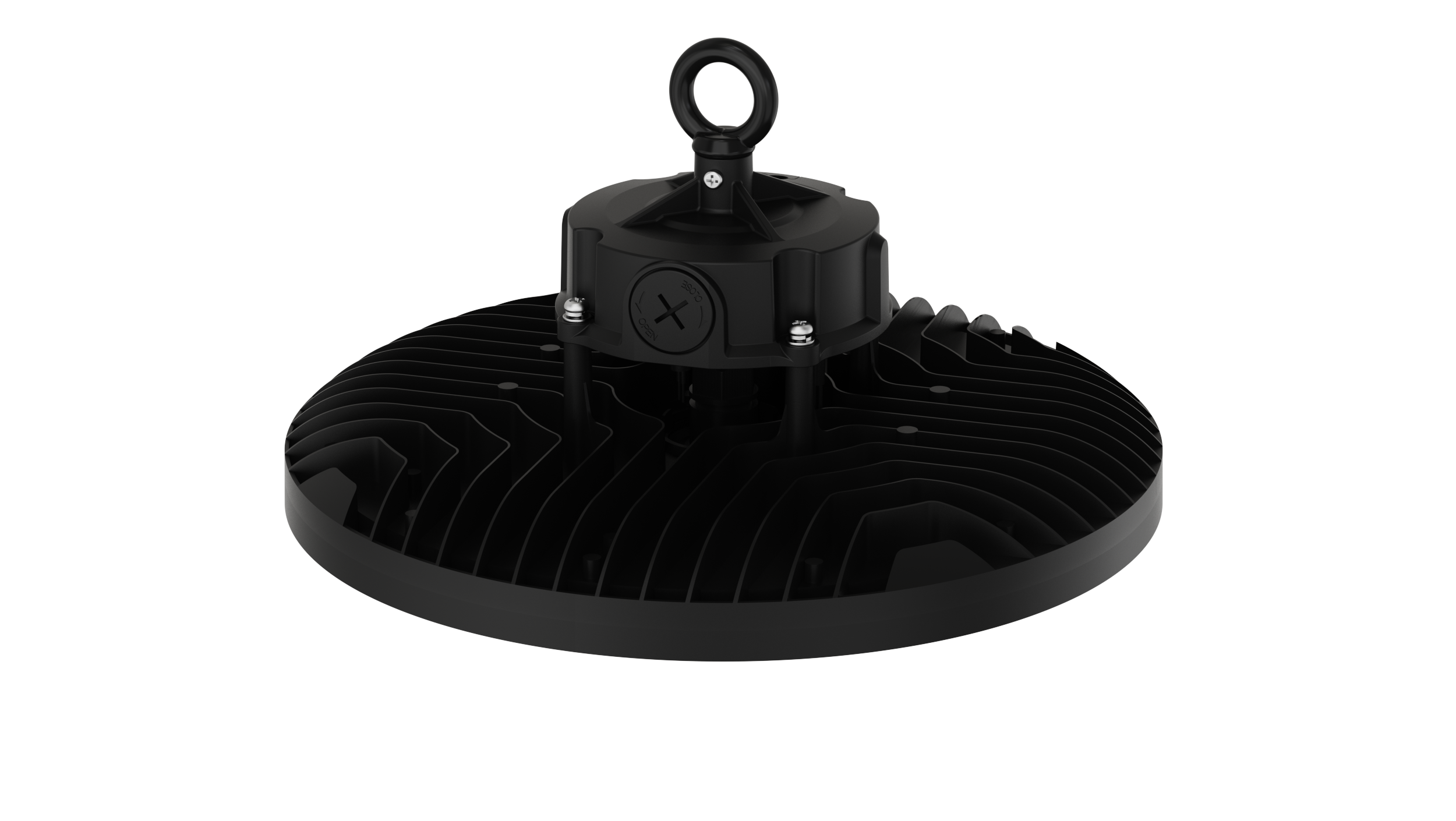
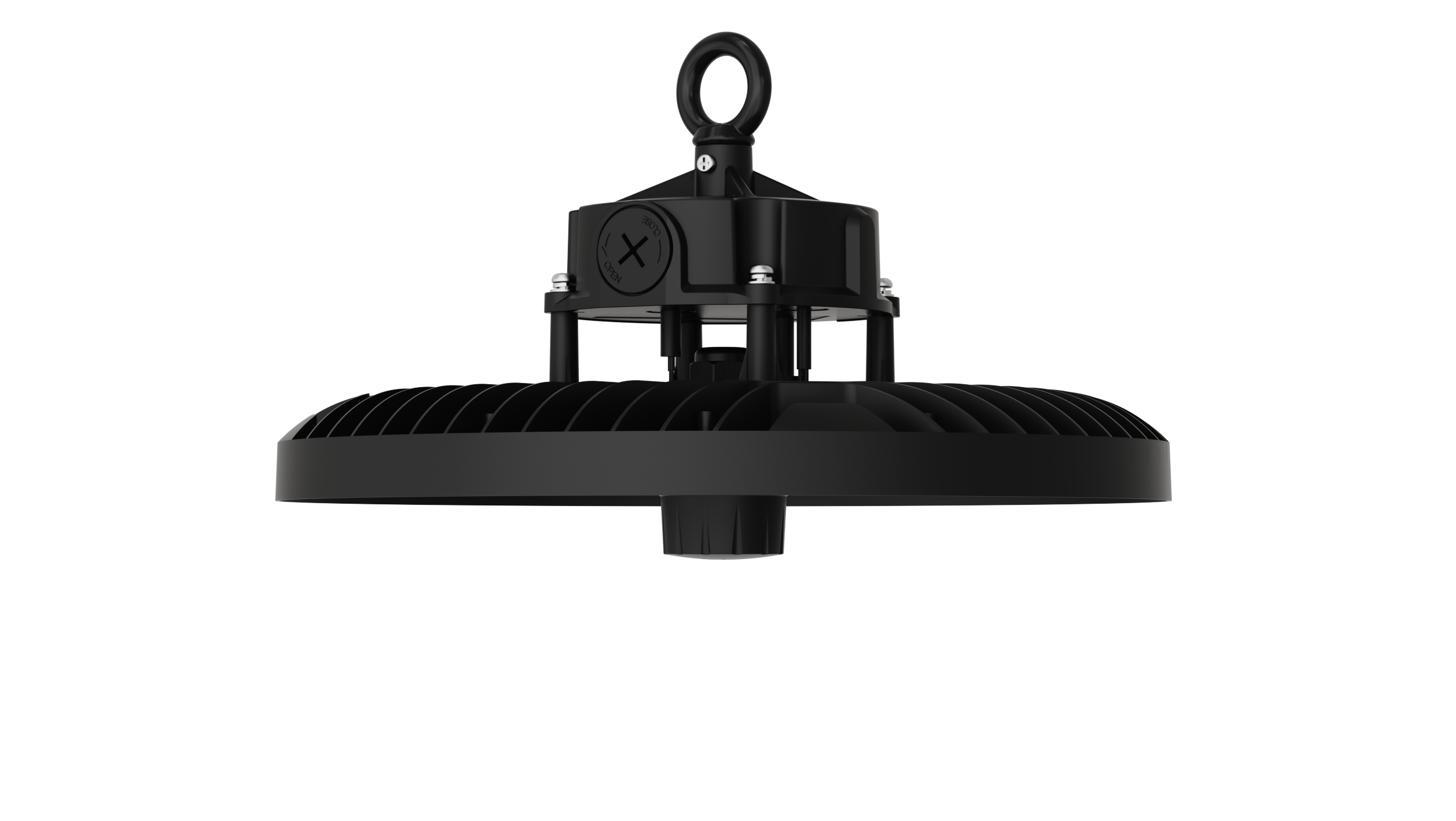
The die-cast aluminum high bay is a premium industrial lighting solution engineered for spaces that demand powerful, reliable, and energy-efficient illumination. Designed for mounting heights typically ranging from 15 to 45 feet, this fixture delivers broad, uniform light distribution across large open areas, making it an essential component in modern commercial and industrial environments. At its core, the die-cast aluminum high bay combines advanced LED technology with a precision-manufactured housing to produce a lighting system that outperforms traditional metal halide and fluorescent alternatives in virtually every measurable category. The die-casting process itself ensures that the aluminum housing is formed under high pressure into a dense, seamless structure, eliminating weak points and creating a body that is both lightweight and exceptionally strong. This manufacturing technique also allows for intricate heat-sink fin designs to be integrated directly into the housing, maximizing thermal management without adding bulk. From a technological standpoint, the die-cast aluminum high bay incorporates high-efficacy LED chips that convert electricity into light with minimal waste, achieving luminous efficacy ratings that often exceed 150 lumens per watt. Optical systems within the fixture are carefully engineered to direct light precisely where it is needed, reducing spill and glare while improving uniformity across the work surface below. Many models support dimming controls and smart sensor integration, enabling dynamic lighting management that responds to occupancy and ambient light levels in real time. The applications for the die-cast aluminum high bay are extensive. Warehouses, distribution centers, manufacturing plants, sports arenas, large retail stores, and aircraft hangars all benefit from the fixture's ability to maintain consistent light levels across wide spans. Its corrosion-resistant aluminum body makes it equally suitable for food processing facilities, car washes, and other environments where moisture and chemical exposure are ongoing concerns. Whether the goal is to improve worker safety, reduce energy costs, or meet modern lighting standards, the die-cast aluminum high bay delivers a compelling and proven solution.


New Product Releases

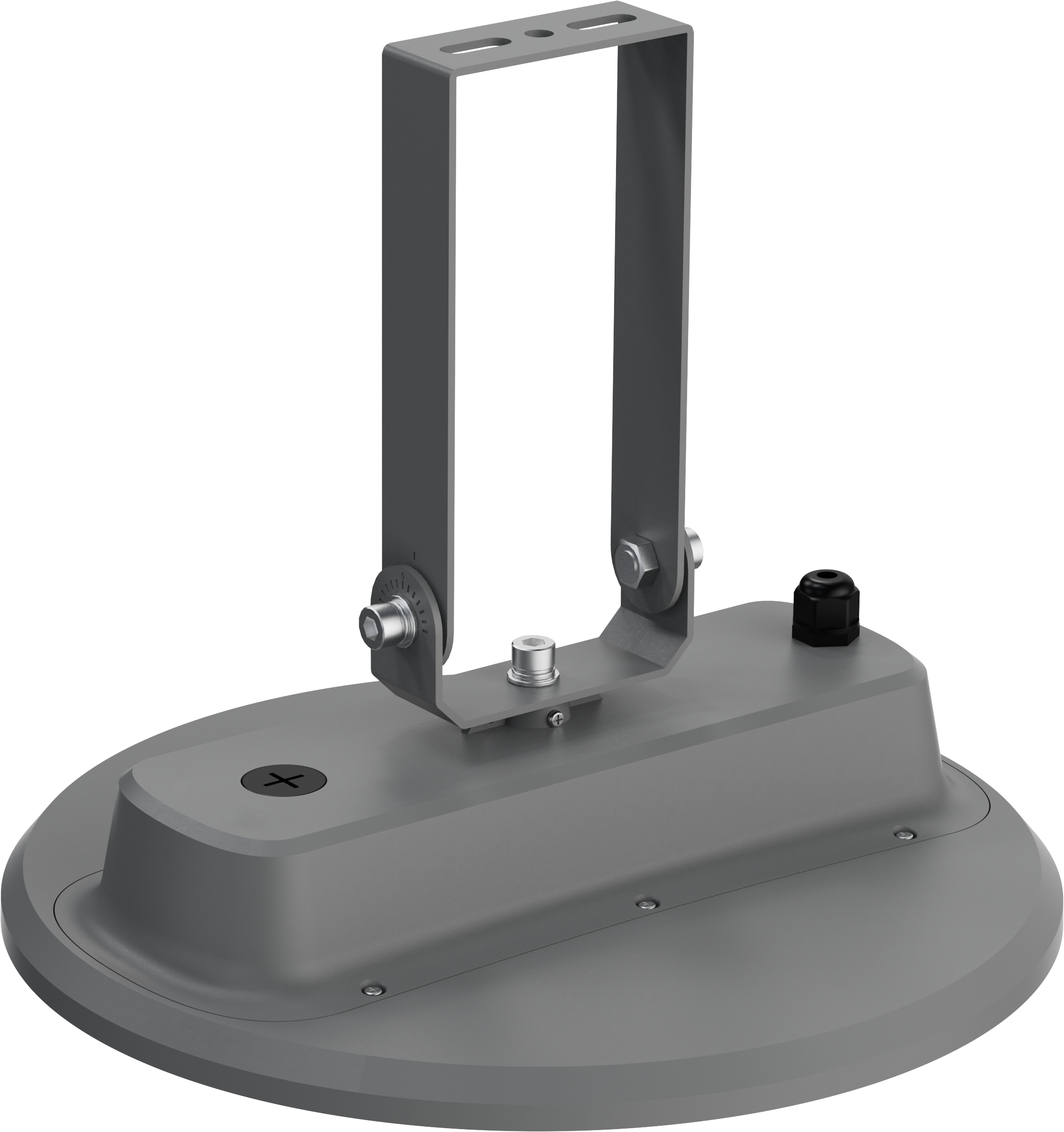
Choosing the right high bay light for your facility is a decision that affects your energy bills, your workers, and your bottom line for years to come. The die-cast aluminum high bay stands out from the competition in ways that matter most to facility managers, business owners, and procurement teams. Here is a clear look at the practical benefits you gain when you invest in this technology. First, you save a significant amount of money on energy. The die-cast aluminum high bay uses LED technology that consumes up to 70 percent less electricity than older metal halide or high-pressure sodium fixtures. In a large warehouse running lights for 16 hours a day, that difference translates into thousands of dollars in annual savings. The return on investment is typically achieved within two to three years, and the savings continue for the life of the fixture. Second, you spend far less time and money on maintenance. Traditional high bay lamps burn out frequently and require costly replacement cycles that involve lift equipment, labor, and downtime. The die-cast aluminum high bay is rated for 50,000 hours or more of continuous operation. That means you can install it and largely forget about it for a decade or longer under normal operating conditions. Third, the quality of light improves immediately. Workers in warehouses and manufacturing plants perform better and make fewer errors when they can see clearly. The die-cast aluminum high bay produces bright, consistent light with a high Color Rendering Index, which means colors and details appear natural and accurate. This directly supports safety, quality control, and productivity on the floor. Fourth, the aluminum housing protects the fixture in tough environments. Die-cast aluminum is naturally resistant to corrosion, impact, and temperature extremes. Whether your facility runs hot from industrial processes or cold from refrigeration systems, the housing holds up without cracking, warping, or degrading. This durability means the fixture maintains its performance and appearance over its full service life. Fifth, installation is straightforward. The die-cast aluminum high bay is designed with practical mounting options that work with standard industrial ceiling configurations. Pendant, hook, and bracket mounts are commonly available, and the lightweight nature of the aluminum body reduces the structural load on your ceiling. Electricians can complete installations quickly, reducing labor costs and minimizing disruption to your operations. Sixth, you gain flexibility through smart controls. Many die-cast aluminum high bay models are compatible with occupancy sensors, daylight harvesting systems, and 0-10V dimming controls. These features let you automate your lighting so it only runs at full power when and where it is needed, pushing your energy savings even further. Facilities that implement smart controls alongside their die-cast aluminum high bay installations often report total energy reductions exceeding 80 percent compared to their legacy systems. Seventh, you support your sustainability goals. Lower energy consumption means a smaller carbon footprint, and the long service life of the die-cast aluminum high bay reduces the volume of waste generated by lamp replacements. For companies working toward green building certifications or corporate sustainability targets, this fixture is a practical and credible contribution to those efforts.

Latest News

How Does LED Panel Light Create Uniform and Comfortable Indoor Lighting?

03

Mar

How Does LED Panel Light Create Uniform and Comfortable Indoor Lighting?

Understanding how LED panel light technology creates uniform and comfortable indoor lighting requires examining the sophisticated optical engineering and design principles behind these modern illumination solutions. LED panel lights achieve superior ...
View More
How Can T8 LED Tube Provide Long Lifespan in Continuous Lighting Use?

24

Mar

How Can T8 LED Tube Provide Long Lifespan in Continuous Lighting Use?

T8 LED tubes have revolutionized commercial and industrial lighting by offering exceptional longevity even under demanding continuous operation conditions. Unlike traditional fluorescent tubes that degrade rapidly when left on for extended periods, m...
View More
Why Is Reliable Commercial Lighting Important for Large Facilities?

01

Apr

Why Is Reliable Commercial Lighting Important for Large Facilities?

Large facilities face unique challenges when it comes to maintaining optimal lighting conditions across expansive spaces. From warehouses and manufacturing plants to retail centers and distribution facilities, the demand for consistent, dependable il...
View More
How Do Modern Buildings Optimize Performance with Commercial Lighting?

21

Apr

How Do Modern Buildings Optimize Performance with Commercial Lighting?

Modern buildings are increasingly sophisticated in their approach to performance optimization, with commercial lighting serving as a critical component in achieving energy efficiency, occupant comfort, and operational cost reduction. The strategic im...
View More

Get a Free Quote

Our representative will contact you soon.
Email
Name
Company Name
Message
0/1000

die-cast aluminum high bay

Superior Thermal Management Through Die-Cast Aluminum Construction

Superior Thermal Management Through Die-Cast Aluminum Construction

One of the most critical factors determining the long-term performance and lifespan of any LED fixture is how effectively it manages heat. LEDs are sensitive to elevated temperatures, and when heat is not properly dissipated, it accelerates lumen depreciation, shortens component life, and ultimately causes premature fixture failure. The die-cast aluminum high bay addresses this challenge with a level of engineering precision that sets it apart from competing products built with stamped steel or extruded aluminum housings. The die-casting process forces molten aluminum into a hardened steel mold under pressures that can exceed 10,000 pounds per square inch. The result is a housing with a dense, uniform grain structure that conducts heat far more efficiently than materials produced through lower-pressure manufacturing methods. Because the heat-sink fins are cast as an integral part of the housing rather than attached as separate components, there are no thermal interfaces or adhesive layers to impede heat flow. Heat generated by the LED driver and chip array moves directly and continuously into the fin structure, where it is dissipated into the surrounding air. This integrated thermal pathway keeps junction temperatures low even during extended operation in warm ambient environments, which is exactly the condition found in many warehouses and manufacturing facilities during summer months or near heat-generating equipment. The practical outcome for the end user is a fixture that maintains its rated lumen output over a much longer period. Industry testing consistently shows that die-cast aluminum high bay fixtures retain a higher percentage of their initial brightness at the 50,000-hour mark compared to fixtures with inferior thermal designs. This means the light levels in your facility remain consistent and reliable year after year, without the gradual dimming that forces early replacement cycles. Beyond performance, the robust thermal management of the die-cast aluminum high bay also contributes to electrical safety. Overheating is a leading cause of driver failure and, in extreme cases, a fire risk in industrial lighting. By keeping operating temperatures well within safe limits, the die-cast construction provides a meaningful layer of protection for your facility and your people. When you invest in a die-cast aluminum high bay, you are investing in a thermal management system that was engineered from the ground up to keep your lighting performing at its best for the long haul.
Exceptional Durability and Weather Resistance for Demanding Environments

Exceptional Durability and Weather Resistance for Demanding Environments

Industrial and commercial facilities place enormous physical demands on their lighting equipment. Fixtures must withstand vibration from heavy machinery, exposure to dust and airborne particulates, contact with cleaning chemicals, fluctuating humidity levels, and in some cases direct water exposure from wash-down procedures. A fixture that cannot hold up under these conditions becomes a liability rather than an asset, generating maintenance calls, replacement costs, and potential safety hazards. The die-cast aluminum high bay is built to meet these challenges head-on, and its material and construction choices reflect a deep understanding of what real-world industrial environments require. Aluminum is inherently resistant to corrosion because it forms a stable oxide layer on its surface that prevents further oxidation. Unlike steel, which rusts when its protective coating is scratched or worn away, aluminum continues to protect itself even when the surface is damaged. This self-healing property is particularly valuable in facilities where fixtures are exposed to moisture, salt air, or mild chemical vapors on a continuous basis. The die-casting process enhances this natural advantage by producing a housing with no porosity or internal voids where moisture could accumulate and cause damage from the inside out. Many die-cast aluminum high bay models carry IP65 or higher ingress protection ratings, confirming their ability to resist dust ingress completely and withstand low-pressure water jets from any direction. This makes them fully suitable for food and beverage processing plants, car wash facilities, parking structures, and outdoor covered areas where weather exposure is a daily reality. The structural integrity of the die-cast housing also provides excellent resistance to mechanical impact. In busy warehouses and distribution centers, fixtures occasionally take hits from forklifts, falling objects, or maintenance equipment. A die-cast aluminum high bay absorbs these impacts without cracking or shattering, maintaining its sealed enclosure and protecting the internal components from contamination. The combination of corrosion resistance, ingress protection, and impact strength means that the die-cast aluminum high bay delivers consistent performance across its full rated lifespan, even in the harshest operating environments your facility can present. Choosing this fixture means choosing a product that will not let you down when conditions get tough.
Energy Efficiency and Smart Control Compatibility That Drives Real Cost Savings

Energy Efficiency and Smart Control Compatibility That Drives Real Cost Savings

Energy costs represent one of the largest controllable expenses in any facility that operates high bay lighting across a significant floor area. A warehouse running 100 conventional 400-watt metal halide fixtures for 16 hours a day accumulates an enormous electricity bill over the course of a year, and that figure does not include the added cost of lamp replacements, ballast failures, and the labor required to address them. Switching to the die-cast aluminum high bay fundamentally changes this equation, and the financial impact is felt from the very first billing cycle after installation. Modern die-cast aluminum high bay fixtures achieve luminous efficacy ratings between 140 and 180 lumens per watt, depending on the specific model and configuration. Compared to metal halide sources that typically deliver 75 to 100 lumens per watt at best, this represents a dramatic improvement in how efficiently electricity is converted into usable light. A facility that replaces its legacy fixtures with die-cast aluminum high bay units can expect to cut its lighting energy consumption by 60 to 75 percent immediately, with no changes to operating schedules or light levels. The savings go even further when smart control systems are integrated into the installation. The die-cast aluminum high bay is designed to work seamlessly with 0-10V dimming drivers, occupancy sensors, and daylight harvesting controllers. Occupancy sensors detect when areas of the facility are unoccupied and automatically reduce light output to a standby level, then restore full brightness when activity resumes. In facilities with variable occupancy patterns, such as warehouses with shift-based operations or retail stores with fluctuating customer traffic, this capability alone can reduce lighting energy use by an additional 30 to 40 percent beyond the baseline savings from the LED conversion. Daylight harvesting takes this further by measuring the contribution of natural light through skylights or windows and adjusting the artificial light output accordingly, ensuring that the total light level at the work surface remains constant without wasting energy on redundant illumination. The die-cast aluminum high bay also supports networked lighting control systems that provide facility managers with real-time data on energy consumption, fixture status, and usage patterns. This visibility enables proactive maintenance scheduling, helps identify underperforming fixtures before they cause problems, and provides the documentation needed to support energy rebate applications with utility providers. When you add up the direct energy savings, the maintenance cost reductions, the available utility rebates, and the productivity gains from better light quality, the die-cast aluminum high bay delivers a financial case that is difficult to argue against.

Get a Free Quote

Our representative will contact you soon.
Email
Name
Company Name
Message
0/1000