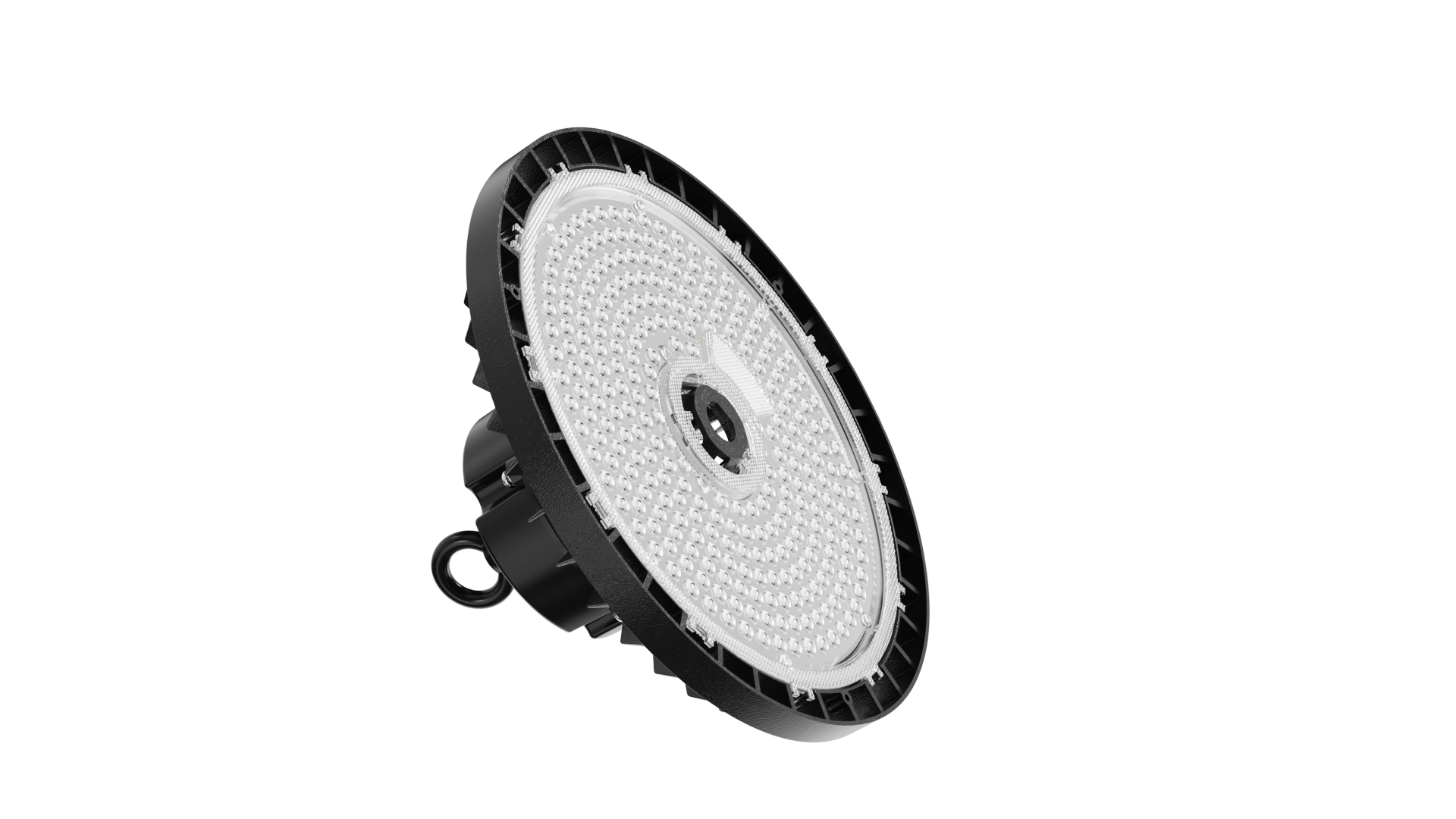
High Bay Luminaire: Energy-Efficient LED Lighting for Industrial and Commercial Spaces

Get a Free Quote

Our representative will contact you soon.
Email
Name
Company Name
Message
0/1000

high bay luminaire

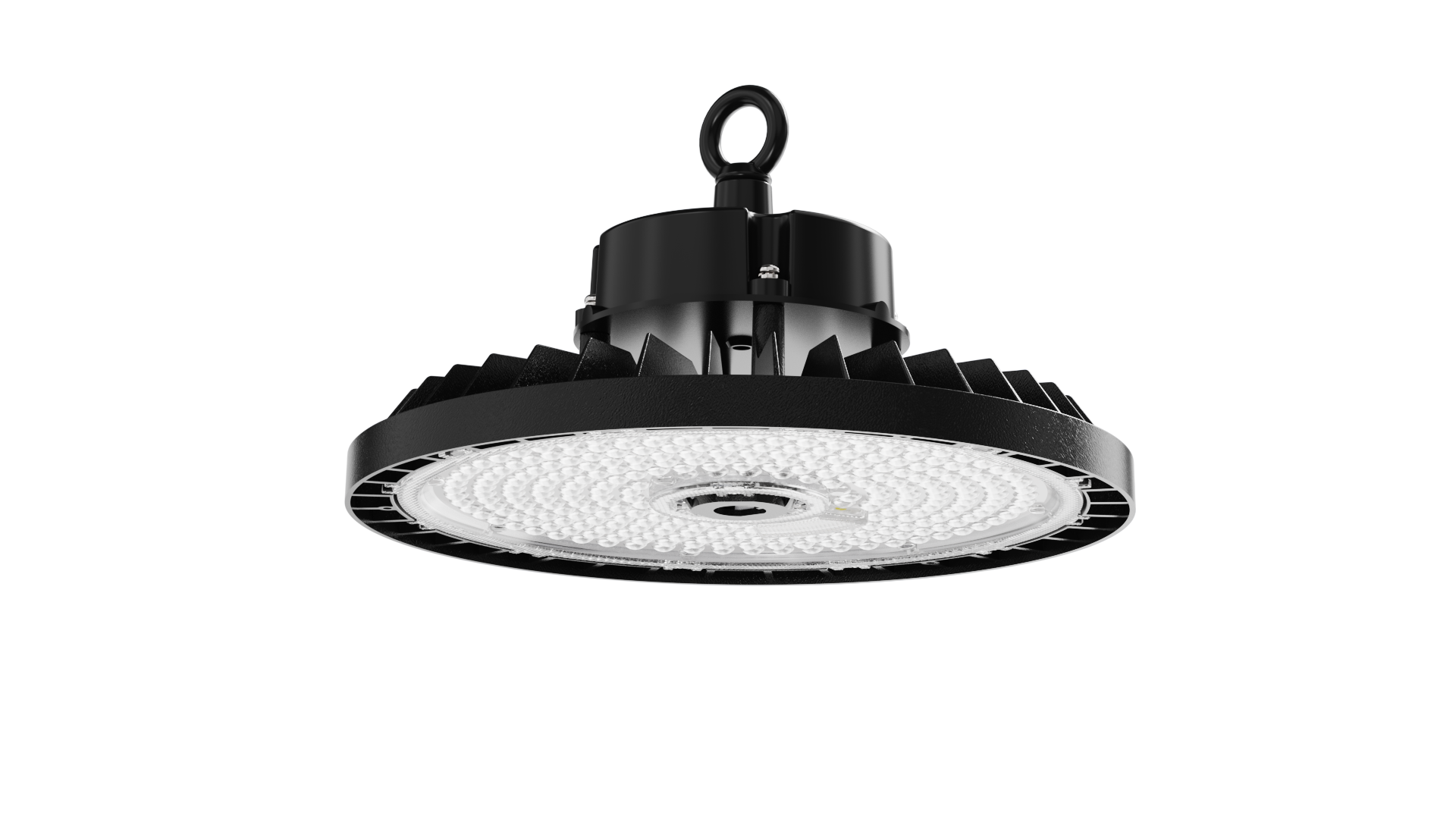
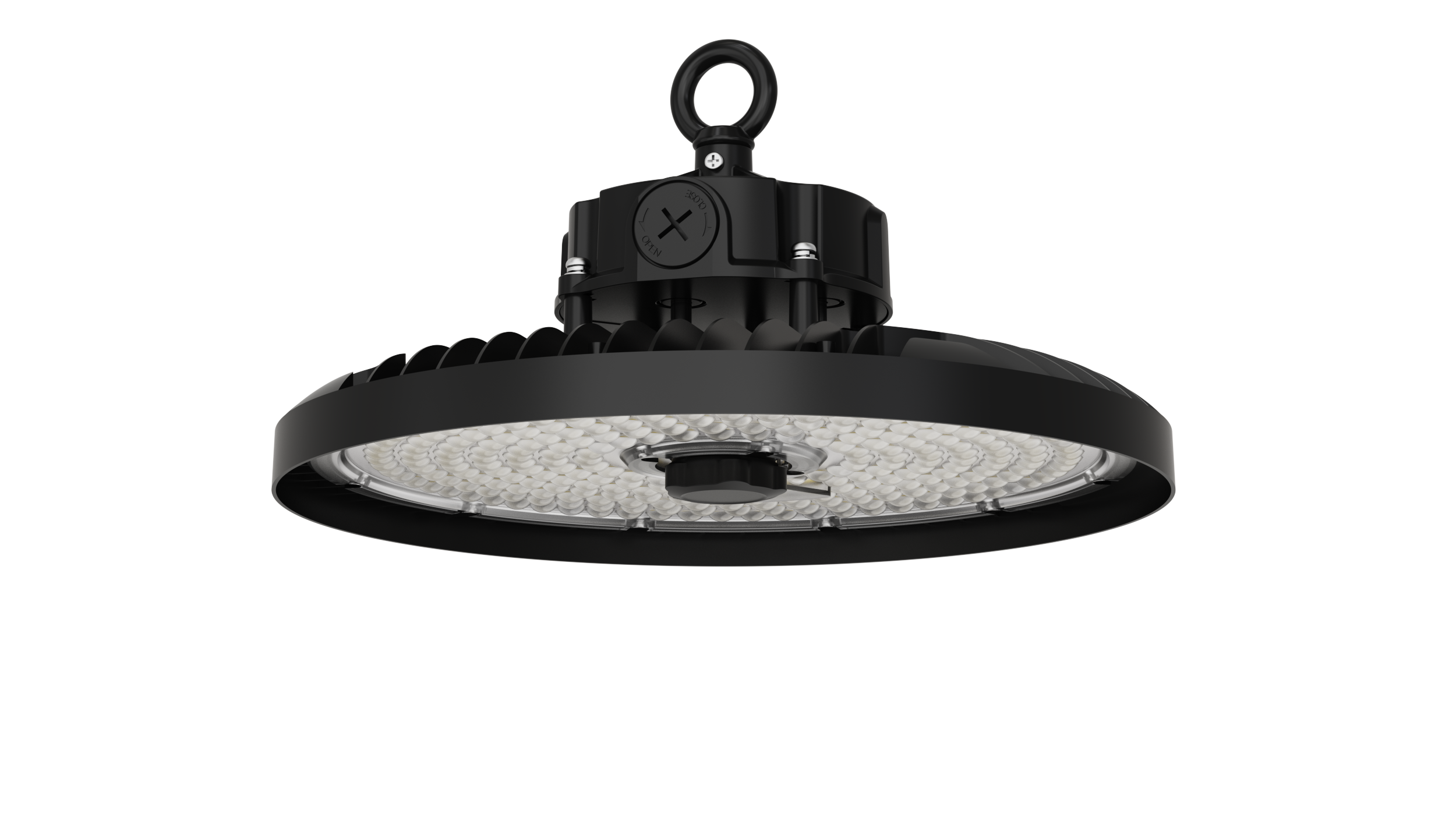
The high bay luminaire is a powerful and purpose-built lighting solution designed for spaces with ceiling heights typically ranging from 15 to 45 feet. Found in warehouses, manufacturing plants, gymnasiums, big-box retail stores, and industrial facilities, the high bay luminaire delivers intense, focused illumination across large floor areas where standard fixtures simply cannot perform. Its core function is to provide consistent, high-intensity light output that reaches the ground level effectively, ensuring workers and visitors can see clearly and operate safely in expansive environments. Modern high bay luminaires are engineered with advanced LED technology at their core, replacing older metal halide, high-pressure sodium, and fluorescent systems that were once the industry standard. LED-based high bay luminaires consume significantly less energy while producing equal or greater lumen output, making them a smart investment for facility managers focused on reducing operational costs. The optical systems within a high bay luminaire are carefully designed to control beam angles, minimize glare, and distribute light evenly across wide spans. Reflectors, lenses, and diffusers work together to maximize the usable light delivered to the work surface below. Many models feature adjustable beam angles, allowing installers to customize the light distribution pattern based on the specific layout of a facility. Thermal management is another critical technological feature of the high bay luminaire. High-performance heat sinks and thermally conductive housings draw heat away from the LED chips, extending the lifespan of the fixture and maintaining consistent lumen output over time. Drivers integrated into the luminaire regulate electrical input, protecting the LEDs from voltage fluctuations and enabling dimming capabilities. Smart controls compatibility is increasingly standard in modern high bay luminaires. Occupancy sensors, daylight harvesting systems, and networked lighting controls can be integrated to further reduce energy consumption and automate lighting schedules. Whether installed in a cold storage facility, a high-ceiling retail floor, or a busy production line, the high bay luminaire adapts to demanding environments with robust ingress protection ratings and durable construction materials that resist dust, moisture, and mechanical impact.

New Product Releases

Switching to a high bay luminaire brings real, measurable improvements to your facility from day one. Here is a straightforward look at why so many businesses are making the change and what it means for your bottom line and your team. First, the energy savings are immediate and substantial. A modern LED high bay luminaire uses up to 60 percent less electricity than the metal halide or fluorescent fixtures it replaces. For a warehouse running lights 16 hours a day, that reduction translates directly into lower monthly utility bills. Over the course of a year, a facility with dozens of fixtures can save tens of thousands of dollars in energy costs alone. That money stays in your business rather than going to the power company. Second, you spend far less time and money on maintenance. Traditional high-intensity discharge lamps burn out frequently and require scheduled replacements that pull workers off productive tasks and involve the cost of lift equipment, labor, and replacement parts. A quality high bay luminaire built on LED technology carries a rated lifespan of 50,000 hours or more. That means years of operation without a single lamp change, freeing your maintenance team to focus on work that actually moves your business forward. Third, the quality of light improves dramatically. Older high-intensity fixtures produce a yellowish or inconsistent light that makes it harder to read labels, inspect products, or spot hazards on the floor. A high bay luminaire delivers bright, crisp, white light with a high Color Rendering Index, which means colors appear true and details are easy to distinguish. Workers make fewer errors, quality control improves, and the overall environment feels safer and more professional. Fourth, a high bay luminaire reaches full brightness instantly. There is no warm-up period, no flickering during startup, and no waiting for the light to stabilize. When you flip the switch or trigger an occupancy sensor, the space is fully lit within seconds. This matters in facilities where lights are cycled on and off throughout the day or where safety depends on immediate visibility. Fifth, many high bay luminaires are compatible with dimming controls and occupancy sensors right out of the box. You can program lights to dim automatically when a zone is unoccupied and return to full power when someone enters. This layer of automation adds another tier of energy savings on top of the already efficient LED source, without requiring any manual effort from your team. Sixth, the high bay luminaire is built to handle tough conditions. Robust housings, sealed optical chambers, and high ingress protection ratings mean these fixtures keep performing in dusty warehouses, humid processing facilities, and cold storage environments where lesser fixtures would fail. You get a reliable light source that works as hard as your team does, day after day, without complaint.

Tips And Tricks

What Are the Key Advantages of LED Panel Light in Modern Office Lighting?

31

Mar

What Are the Key Advantages of LED Panel Light in Modern Office Lighting?

Modern office environments demand lighting solutions that balance energy efficiency, visual comfort, and professional aesthetics. Among the various lighting technologies available today, LED panel light systems have emerged as the preferred choice fo...
View More
How Can Indoor Lighting Influence Mood and Visual Experience at Home?

15

Apr

How Can Indoor Lighting Influence Mood and Visual Experience at Home?

The relationship between indoor lighting and human psychology has become increasingly recognized as a fundamental aspect of home design that directly impacts our daily well-being. The quality, intensity, and color temperature of indoor lighting syste...
View More
What Are the Advantages of T8 LED Tube for Large Lighting Retrofit Projects?

28

Apr

What Are the Advantages of T8 LED Tube for Large Lighting Retrofit Projects?

Large-scale lighting retrofit projects present unique challenges that require careful consideration of multiple factors, from energy efficiency and maintenance costs to installation complexity and long-term performance. When facility managers and lig...
View More
Why Is LED Batten Widely Used for Utility and Functional Lighting?

20

May

Why Is LED Batten Widely Used for Utility and Functional Lighting?

The transformation of commercial and industrial lighting over the past decade has been driven by technologies that combine energy efficiency with practical performance. Among these innovations, the LED batten has emerged as a dominant fixture in util...
View More

Get a Free Quote

Our representative will contact you soon.
Email
Name
Company Name
Message
0/1000

high bay luminaire

Exceptional Energy Efficiency That Cuts Operating Costs

Exceptional Energy Efficiency That Cuts Operating Costs

One of the most compelling reasons to invest in a high bay luminaire is the dramatic reduction in energy consumption it delivers compared to legacy lighting technologies. Facilities that still rely on metal halide, high-pressure sodium, or T5 fluorescent high bay fixtures are paying a significant premium every month simply to keep their lights on. The LED-driven high bay luminaire changes that equation entirely. At the heart of this efficiency advantage is the LED light source itself. LEDs convert a far greater proportion of electrical energy into visible light rather than heat. Metal halide lamps, by contrast, waste a large share of their energy as infrared radiation and heat that serves no useful purpose in a lighting system. This fundamental difference in how energy is converted means that an LED high bay luminaire producing the same or greater lumen output as a 400-watt metal halide fixture may only draw 150 to 200 watts from the grid. That is a reduction of 50 to 60 percent in power consumption for the same or better lighting result. When you multiply those savings across an entire facility with 50, 100, or even 200 fixtures running for extended hours each day, the financial impact becomes very significant very quickly. A distribution center operating 100 high bay luminaires for 16 hours a day, 365 days a year, can realistically save over 100,000 kilowatt-hours annually compared to an equivalent metal halide installation. At average commercial electricity rates, that represents tens of thousands of dollars returned to the business each year. Beyond the direct energy savings, the thermal efficiency of the high bay luminaire also reduces the cooling load on your facility's HVAC system. Less heat generated by lighting means air conditioning equipment works less hard during warm months, adding an indirect but real secondary saving to your energy budget. Many high bay luminaires also support 0-10V dimming protocols and integrate seamlessly with occupancy-based controls and daylight harvesting sensors. These smart control layers allow the fixture to operate at reduced output during periods of low activity or when natural light supplements the artificial lighting, pushing total energy savings even further beyond the baseline LED efficiency gains. For businesses pursuing sustainability certifications or working toward carbon reduction targets, the high bay luminaire is a practical and impactful tool that delivers verifiable results backed by metered energy data.
Superior Light Quality That Improves Safety and Productivity

Superior Light Quality That Improves Safety and Productivity

The quality of light inside a working facility has a direct and measurable effect on the people who spend their days there. Poor lighting leads to eye strain, fatigue, increased error rates, and a higher risk of accidents. The high bay luminaire addresses all of these concerns by delivering a quality of illumination that older fixture types simply cannot match. Color rendering is one of the most important and often overlooked aspects of industrial and commercial lighting. The Color Rendering Index measures how accurately a light source reveals the true colors of objects compared to natural daylight. Metal halide and high-pressure sodium lamps typically produce light with a CRI in the range of 60 to 80, which means colors appear shifted or muted under their output. A high-quality high bay luminaire using modern LED technology routinely achieves a CRI of 80 or above, with premium models reaching 90 and beyond. In practical terms, this means workers can accurately distinguish between color-coded labels, identify product defects by visual inspection, and read fine print on packaging without straining. In manufacturing environments, accurate color rendering reduces the rate of quality control errors. In retail and warehouse settings, it makes inventory management faster and more reliable. The improvement in color accuracy is immediately noticeable to anyone who works under the light, and it contributes to a more comfortable and less fatiguing work environment over the course of a full shift. Uniformity of light distribution is another area where the high bay luminaire excels. Older fixtures often create bright spots directly beneath the lamp and darker zones between fixtures, a pattern that forces workers to move items into better-lit areas to inspect them properly. The optical engineering built into a modern high bay luminaire, including precision reflectors and wide-angle lenses, spreads light evenly across the floor plane, eliminating harsh shadows and reducing the contrast between lit and unlit zones. This uniform distribution means every part of the facility receives adequate illumination, improving both safety and workflow efficiency. Instant-on performance is a further quality advantage. Unlike metal halide lamps that require a warm-up period of several minutes before reaching full output, the high bay luminaire reaches 100 percent brightness the moment power is applied. In facilities where lights are controlled by occupancy sensors or where sections are powered down during breaks, this instant response ensures that workers always have full visibility the moment they enter a space.
Long Lifespan and Durable Construction That Minimize Downtime

Long Lifespan and Durable Construction That Minimize Downtime

Reliability is not a luxury in a working facility. It is a requirement. Every time a light fixture fails, someone has to stop what they are doing, locate the problem, arrange for equipment and parts, and carry out the replacement. In high-ceiling environments, that process involves elevated work platforms or scissor lifts, which adds time, cost, and safety risk to what should be a routine maintenance task. The high bay luminaire is engineered to make that scenario as rare as possible. The LED light source at the core of a modern high bay luminaire is rated for operational lifespans that typically range from 50,000 to 100,000 hours depending on the model and operating conditions. To put that in perspective, a fixture running 16 hours a day would reach 50,000 hours after more than eight years of continuous operation. During that entire period, the fixture requires no lamp replacements, no starter replacements, and no ballast servicing. The maintenance burden drops to near zero, and your team can redirect the time and budget previously spent on lighting upkeep toward more productive activities. The durability of the high bay luminaire extends beyond the light source itself. The housing and optical components are designed to withstand the physical demands of industrial environments. High-grade aluminum alloy housings dissipate heat efficiently while resisting corrosion and mechanical impact. Tempered glass or polycarbonate lenses protect the optical chamber from dust accumulation and accidental contact. Many high bay luminaires carry IP65 or higher ingress protection ratings, meaning they are fully sealed against dust ingress and protected against water jets from any direction. This makes them suitable for food processing facilities, car washes, outdoor covered areas, and any environment where moisture and particulate contamination are ongoing concerns. The integrated driver electronics within the high bay luminaire are equally robust. Surge protection circuitry guards against voltage spikes that can damage sensitive LED components, and wide-range input voltage compatibility ensures stable operation even in facilities with inconsistent power quality. Thermal management systems, including precision-engineered heat sinks and sometimes active cooling in very high-power models, keep the LED junction temperature within safe operating limits, which directly preserves lumen output and extends the rated lifespan. When you choose a high bay luminaire with a strong lifespan rating and a durable construction specification, you are not just buying a light fixture. You are buying years of uninterrupted operation, reduced maintenance overhead, and the confidence that your facility will stay lit and productive without unexpected interruptions.


Get a Free Quote

Our representative will contact you soon.
Email
Name
Company Name
Message
0/1000