Recessed Ceiling Light: Energy-Efficient LED Lighting for Every Space

Get a Free Quote

Our representative will contact you soon.
Email
Name
Company Name
Message
0/1000

recessed ceiling light

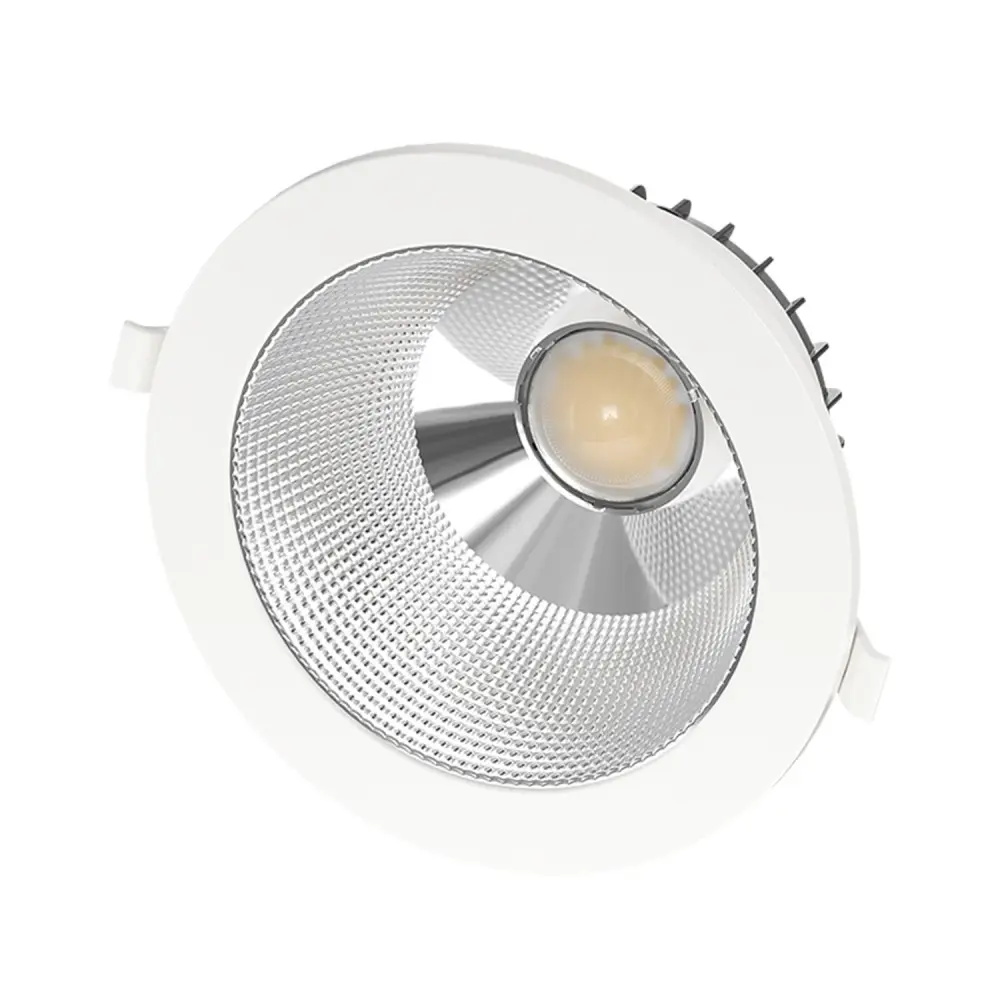
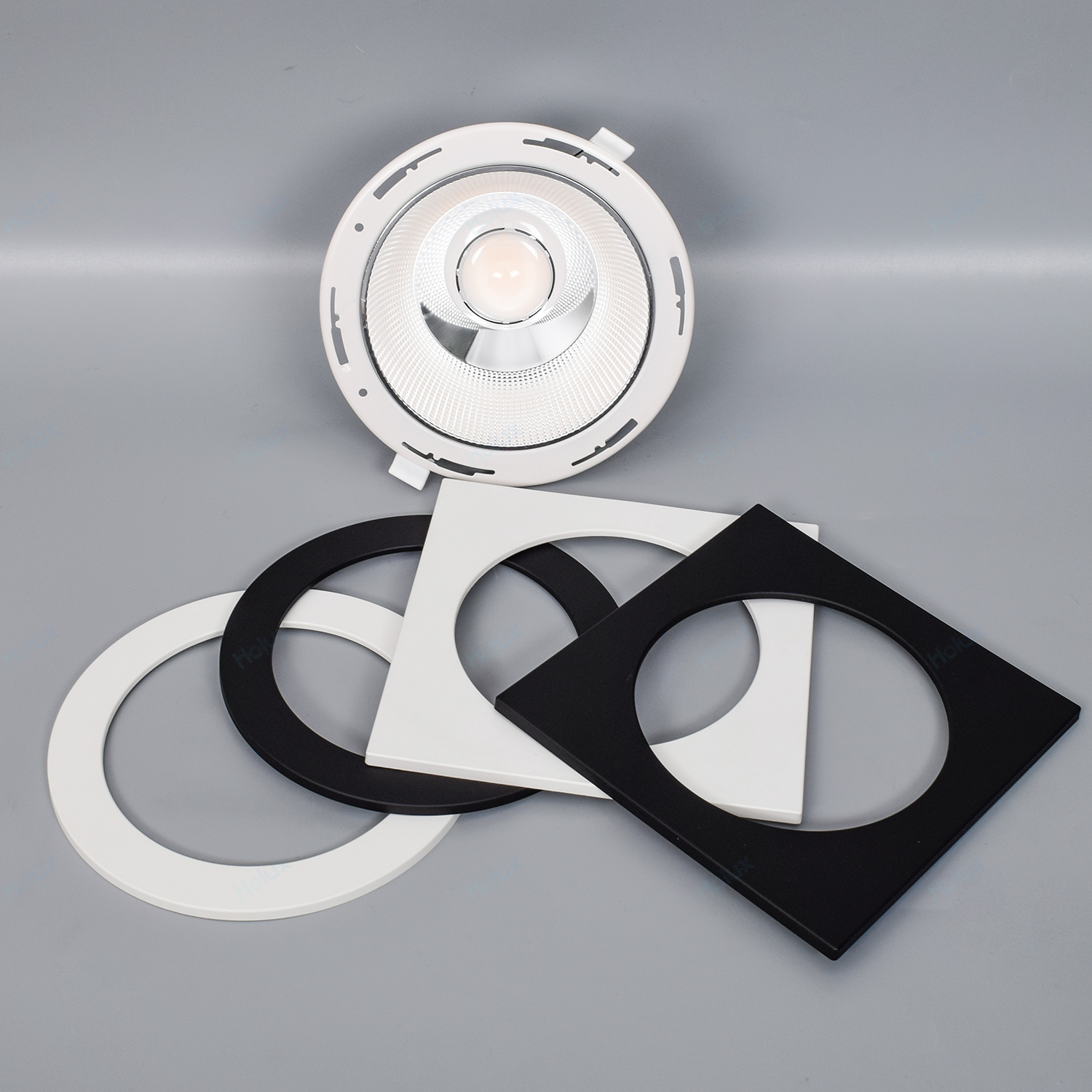
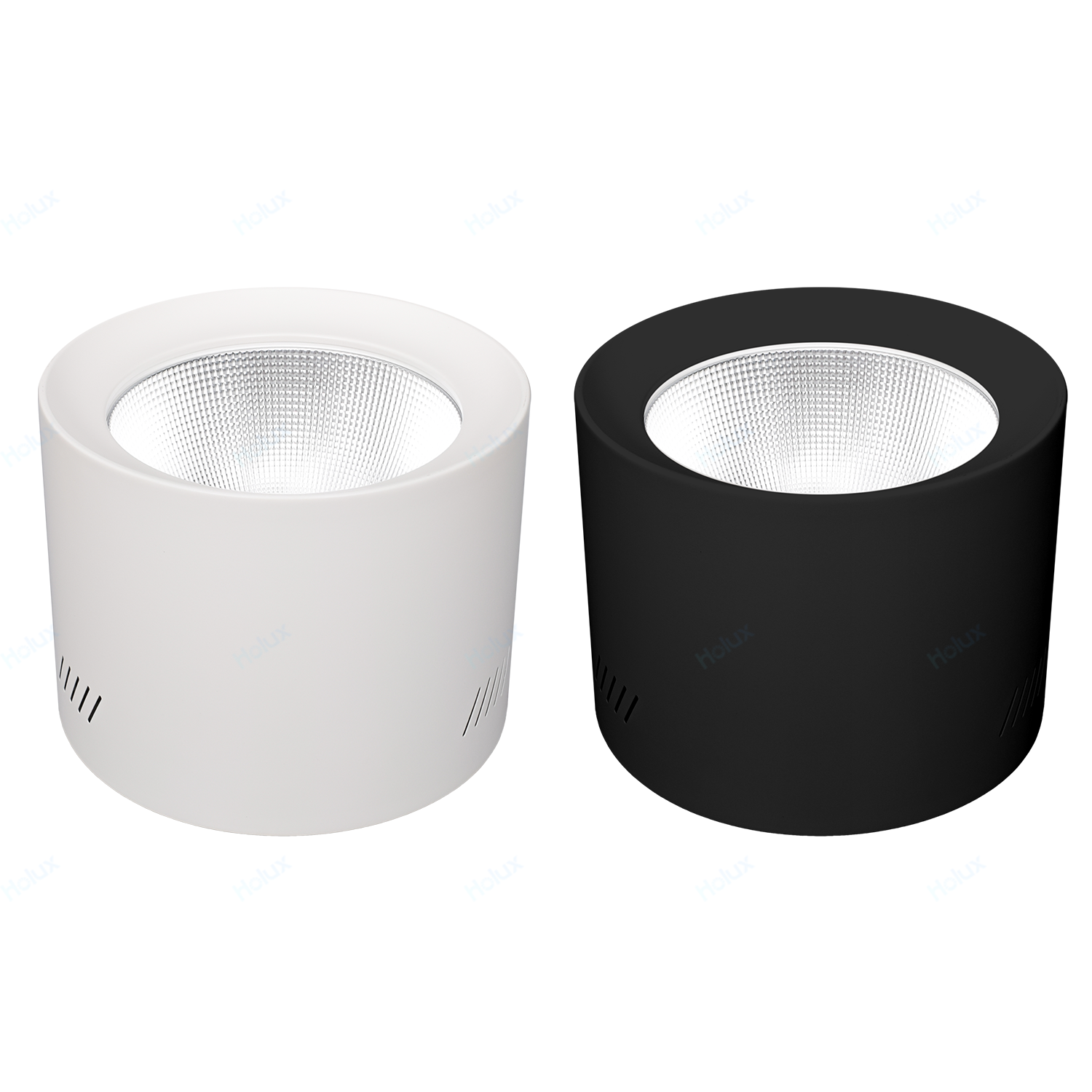
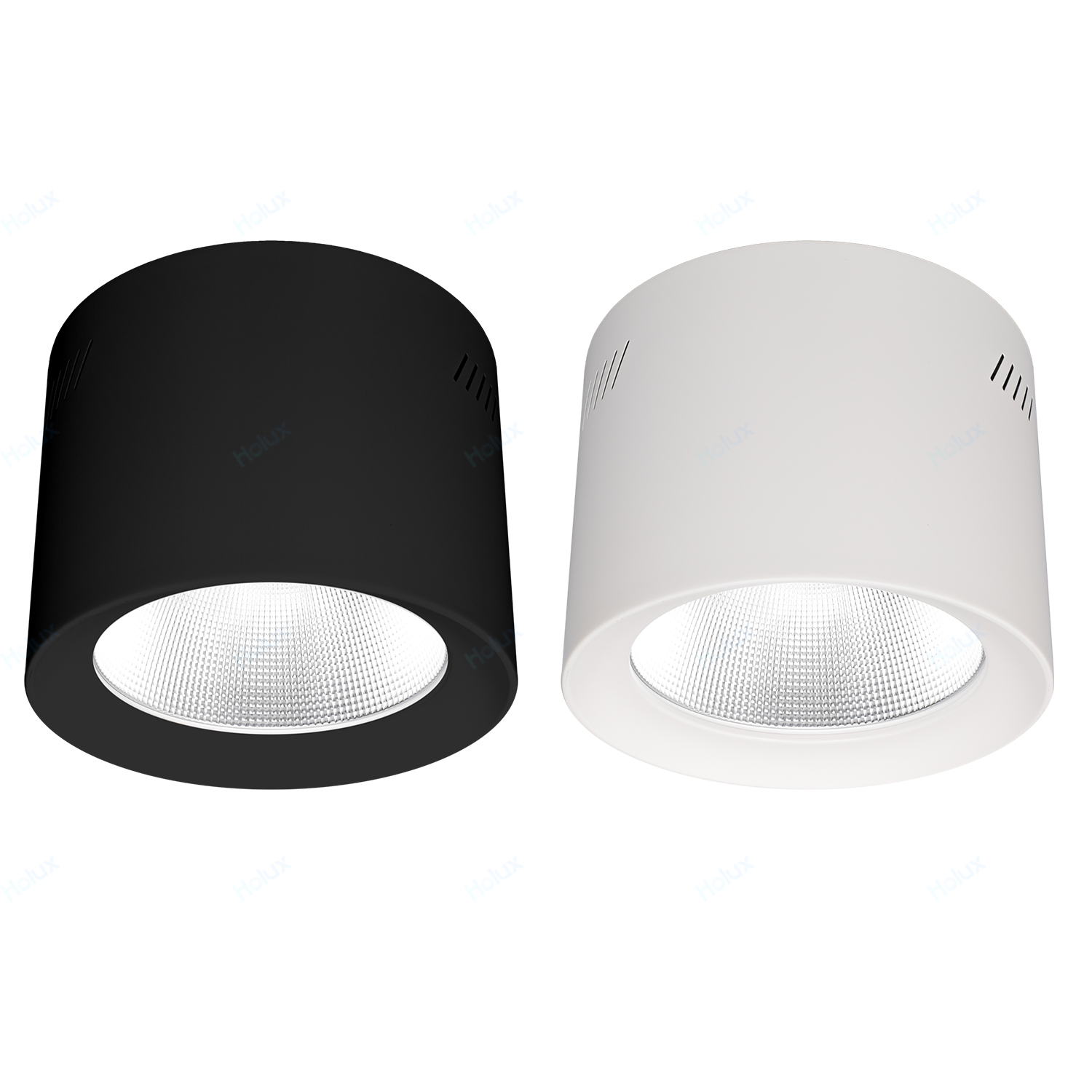
Recessed ceiling lights are a modern and versatile lighting solution designed to sit flush within the ceiling surface, creating a clean and unobtrusive aesthetic that complements virtually any interior space. Unlike traditional pendant or surface-mounted fixtures, a recessed ceiling light is installed directly into the ceiling cavity, allowing the light source to project downward without any visible hardware cluttering the visual field. This design approach makes recessed ceiling lights a preferred choice for homeowners, interior designers, architects, and commercial space planners who prioritize both form and function. At their core, recessed ceiling lights serve multiple functional purposes. They provide general ambient lighting that evenly illuminates a room, task lighting that focuses brightness on specific work areas such as kitchen countertops or reading nooks, and accent lighting that highlights architectural features, artwork, or decorative elements. This multi-purpose capability makes the recessed ceiling light one of the most adaptable fixtures available on the market today. From a technological standpoint, modern recessed ceiling lights are predominantly LED-based, offering significant energy efficiency compared to older incandescent or halogen alternatives. Advanced LED drivers ensure stable current delivery, reducing flicker and extending the lifespan of the fixture to 50,000 hours or more. Many models now incorporate dimming compatibility, color temperature adjustability ranging from warm white at 2700K to cool daylight at 6500K, and smart home integration through Wi-Fi or Zigbee protocols. Thermally optimized heat sinks prevent overheating and maintain consistent light output over time. In terms of applications, recessed ceiling lights are widely used in residential settings including living rooms, bedrooms, kitchens, bathrooms, and hallways. Commercially, they are found in offices, retail stores, hotels, hospitals, and educational institutions. Their low-profile design makes them ideal for spaces with low ceilings, while their directional flexibility suits high-ceiling environments equally well. Whether used as a primary light source or as part of a layered lighting scheme, the recessed ceiling light delivers reliable, high-quality illumination that enhances both the functionality and the visual appeal of any environment.


Popular Products

Recessed ceiling lights offer a wide range of practical benefits that make them a smart investment for any space. Here is a straightforward look at why so many people choose recessed ceiling lights over other lighting options. First, recessed ceiling lights save energy and reduce electricity bills. Because most modern recessed ceiling lights use LED technology, they consume significantly less power than traditional bulbs. A typical LED recessed ceiling light uses up to 75 percent less energy than an incandescent fixture while delivering the same or better light output. Over the course of a year, this translates into real savings on your monthly utility costs, making the recessed ceiling light a financially sound choice for both homeowners and business operators. Second, recessed ceiling lights last a very long time. LED-based recessed ceiling lights can operate for 50,000 hours or more before needing replacement. That means if you run your lights for eight hours a day, you could go more than 17 years without changing a bulb. This dramatically reduces maintenance costs and the inconvenience of frequent replacements, which is especially valuable in commercial settings where lighting is on for extended periods. Third, recessed ceiling lights create a clean and spacious look. Because the fixture sits inside the ceiling rather than hanging down from it, the room feels more open and uncluttered. This is particularly beneficial in rooms with lower ceilings, where a hanging fixture might make the space feel cramped. The sleek, flush appearance of a recessed ceiling light works well with any decor style, from minimalist modern to traditional classic. Fourth, recessed ceiling lights give you control over your lighting environment. Many recessed ceiling lights are compatible with dimmer switches, allowing you to adjust brightness levels to suit different activities and moods. Whether you need bright light for cooking, soft light for relaxing, or focused light for reading, a dimmable recessed ceiling light gives you that flexibility without requiring multiple fixtures. Fifth, recessed ceiling lights are highly versatile in their placement and direction. Many models feature adjustable trims or gimbal designs that allow you to tilt and rotate the light beam. This means you can direct light exactly where you need it, whether that is onto a piece of artwork, a kitchen island, or a specific seating area. This directional control makes the recessed ceiling light far more functional than a standard fixed overhead fixture. Sixth, recessed ceiling lights improve safety in wet and outdoor areas. Many recessed ceiling lights are rated for use in damp or wet locations, making them suitable for bathrooms, covered patios, and outdoor soffits. Their sealed construction keeps moisture out and reduces the risk of electrical hazards, giving you peace of mind in areas where water exposure is a concern. Seventh, recessed ceiling lights are easy to integrate into smart home systems. With Wi-Fi, Bluetooth, or Zigbee connectivity, many recessed ceiling lights can be controlled through smartphone apps or voice assistants. You can schedule lighting, set scenes, and automate your home lighting without ever touching a switch. This level of convenience and control adds genuine value to your daily life and can even contribute to home security by simulating occupancy when you are away.

Latest News

What Are the Best Applications for LED Panel Light in Commercial Interiors?

10

Mar

What Are the Best Applications for LED Panel Light in Commercial Interiors?

Commercial interior spaces demand lighting solutions that combine energy efficiency, uniform illumination, and aesthetic appeal. LED panel light technology has emerged as the preferred choice for modern commercial environments, offering superior perf...
View More
How Do Modern Buildings Optimize Performance with Commercial Lighting?

21

Apr

How Do Modern Buildings Optimize Performance with Commercial Lighting?

Modern buildings are increasingly sophisticated in their approach to performance optimization, with commercial lighting serving as a critical component in achieving energy efficiency, occupant comfort, and operational cost reduction. The strategic im...
View More
How Can Grille Light Support Efficient Lighting Layouts in Buildings?

01

May

How Can Grille Light Support Efficient Lighting Layouts in Buildings?

Efficient lighting layouts in modern buildings require careful consideration of both functional illumination and energy performance, and grille light fixtures have emerged as a cornerstone solution for architects and facility managers seeking optimal...
View More
How Does LED Bulb Brightness Compare with Conventional Bulbs?

13

May

How Does LED Bulb Brightness Compare with Conventional Bulbs?

Understanding LED bulb brightness in relation to conventional lighting technologies remains a critical consideration for facility managers, procurement specialists, and industrial operations planning lighting upgrades or retrofits. The transition fro...
View More

Get a Free Quote

Our representative will contact you soon.
Email
Name
Company Name
Message
0/1000

recessed ceiling light

Energy Efficiency That Pays for Itself Over Time

Energy Efficiency That Pays for Itself Over Time

One of the most compelling reasons to choose a recessed ceiling light for your home or business is the outstanding energy efficiency that modern LED technology delivers. Traditional incandescent and halogen ceiling fixtures waste a large portion of their energy as heat rather than light, driving up electricity costs and requiring frequent bulb replacements. A high-quality LED recessed ceiling light fundamentally changes this equation by converting the vast majority of electrical energy directly into visible light, with minimal heat generation and maximum luminous output. The numbers speak clearly. A standard LED recessed ceiling light typically consumes between 8 and 15 watts while producing the same amount of light as a 60 to 100 watt incandescent bulb. This represents an energy reduction of up to 85 percent, which has a direct and measurable impact on your electricity bill. For a home with 20 recessed ceiling lights running an average of six hours per day, switching from incandescent to LED can save hundreds of dollars annually. For commercial properties with hundreds of fixtures operating around the clock, the savings are even more substantial. Beyond the immediate cost reduction, the longevity of an LED recessed ceiling light adds another layer of financial benefit. With a rated lifespan of 50,000 hours or more, these fixtures rarely need replacement. This eliminates the recurring cost of purchasing replacement bulbs and the labor cost of installing them, which in commercial environments can be a significant operational expense. The reduced heat output of an LED recessed ceiling light also benefits your HVAC system. Because the fixture generates far less heat than older technologies, your air conditioning system does not have to work as hard to maintain a comfortable temperature, leading to additional indirect energy savings during warmer months. Many LED recessed ceiling lights also carry ENERGY STAR certification, which means they have been independently tested and verified to meet strict efficiency and performance standards. Choosing a certified recessed ceiling light ensures you are getting a product that delivers on its efficiency promises and may qualify for utility rebates or tax incentives in your region. In summary, the energy efficiency of a modern recessed ceiling light is not just a technical specification. It is a practical financial advantage that reduces operating costs, extends maintenance intervals, and contributes to a more sustainable and cost-effective lighting strategy for any residential or commercial application.
Sleek Design That Transforms Any Interior Space

Sleek Design That Transforms Any Interior Space

The visual impact of a recessed ceiling light goes far beyond simple illumination. The design philosophy behind this type of fixture is rooted in the idea that great lighting should enhance a space without drawing attention to itself. When you install a recessed ceiling light, you are choosing a solution that integrates seamlessly into the architecture of the room, preserving clean lines and an uncluttered ceiling plane that makes any interior feel more refined and intentional. This design advantage is especially significant in contemporary and minimalist interiors, where the absence of visible hardware is a deliberate aesthetic choice. A recessed ceiling light sits flush with the ceiling surface, with only a small trim ring visible from below. This minimal visual footprint allows the architecture and furnishings of the room to take center stage, while the lighting quietly does its job in the background. The result is a space that feels polished, professional, and thoughtfully designed. The design flexibility of the recessed ceiling light extends to the wide variety of trim styles, finishes, and aperture sizes available. Whether you prefer a brushed nickel trim for a modern kitchen, a white baffle trim for a clean bedroom look, or an adjustable eyeball trim for accent lighting in a gallery or retail space, there is a recessed ceiling light configuration to match your vision. Trim diameters typically range from 2 inches for tight accent applications to 6 inches or more for broad ambient coverage, giving designers and homeowners precise control over the visual scale of the fixture relative to the room. Color temperature selection further enhances the design impact of a recessed ceiling light. Warm white tones around 2700K to 3000K create a cozy and inviting atmosphere ideal for living rooms and bedrooms, while neutral white tones around 4000K suit kitchens and bathrooms where clarity and accuracy are important. Cool daylight tones at 5000K to 6500K work well in offices and workspaces where alertness and focus are priorities. By selecting the right color temperature, you can use the recessed ceiling light as a powerful tool for shaping the mood and character of each room in your home or commercial space. The low-profile nature of the recessed ceiling light also makes it the ideal choice for rooms with low or standard ceiling heights, where a pendant or chandelier would feel overwhelming or obstructive. In these spaces, the recessed ceiling light delivers full illumination without sacrificing headroom or visual openness, making the room feel larger and more comfortable than it would with a conventional overhead fixture.
Versatile Performance Across Every Room and Application

Versatile Performance Across Every Room and Application

The recessed ceiling light stands out from other lighting solutions because of its remarkable versatility. A single fixture type can serve as ambient lighting in a living room, task lighting above a kitchen counter, accent lighting in a retail display, or safety lighting in a commercial corridor. This adaptability makes the recessed ceiling light a practical and cost-effective choice for anyone who wants a unified lighting system that performs consistently across multiple environments and use cases. In residential applications, the recessed ceiling light excels in virtually every room of the house. In the kitchen, a grid of recessed ceiling lights provides even, shadow-free illumination across work surfaces, making food preparation safer and more efficient. Adjustable recessed ceiling lights can be angled to highlight a backsplash or illuminate a breakfast bar. In the living room, dimmable recessed ceiling lights create a flexible environment that transitions smoothly from bright and energetic for social gatherings to soft and relaxed for movie nights. In the bathroom, wet-rated recessed ceiling lights deliver safe and effective illumination in a moisture-rich environment, while their flush design keeps the ceiling clean and uncluttered. Bedrooms benefit from the quiet, unobtrusive presence of recessed ceiling lights, which provide gentle ambient light without the visual weight of a hanging fixture. In hallways and entryways, recessed ceiling lights guide movement through the home with consistent, glare-free illumination that enhances both safety and aesthetics. Commercial applications for the recessed ceiling light are equally broad. Retail environments use adjustable recessed ceiling lights to spotlight merchandise and create visual hierarchy within the store layout. Office spaces rely on recessed ceiling lights to deliver uniform, comfortable illumination that reduces eye strain and supports productivity throughout the workday. Hotels use recessed ceiling lights in guest rooms, lobbies, and corridors to create a consistent and welcoming atmosphere that reflects the brand identity of the property. Healthcare facilities choose recessed ceiling lights for their clean appearance, easy maintenance, and ability to deliver high-quality light that supports accurate clinical assessment. The technical adaptability of the recessed ceiling light further extends its versatility. Dimming compatibility, smart home integration, emergency backup options, and a wide range of beam angles from narrow spot to wide flood mean that a single recessed ceiling light platform can be configured to meet the specific requirements of almost any lighting scenario. This flexibility reduces the need for multiple fixture types and simplifies both the design process and the procurement of lighting products for large-scale projects.

Get a Free Quote

Our representative will contact you soon.
Email
Name
Company Name
Message
0/1000