DALI Downlight Solutions - Smart LED Lighting Control for Modern Spaces

Get a Free Quote

Our representative will contact you soon.
Email
Name
Company Name
Message
0/1000

dali downlight

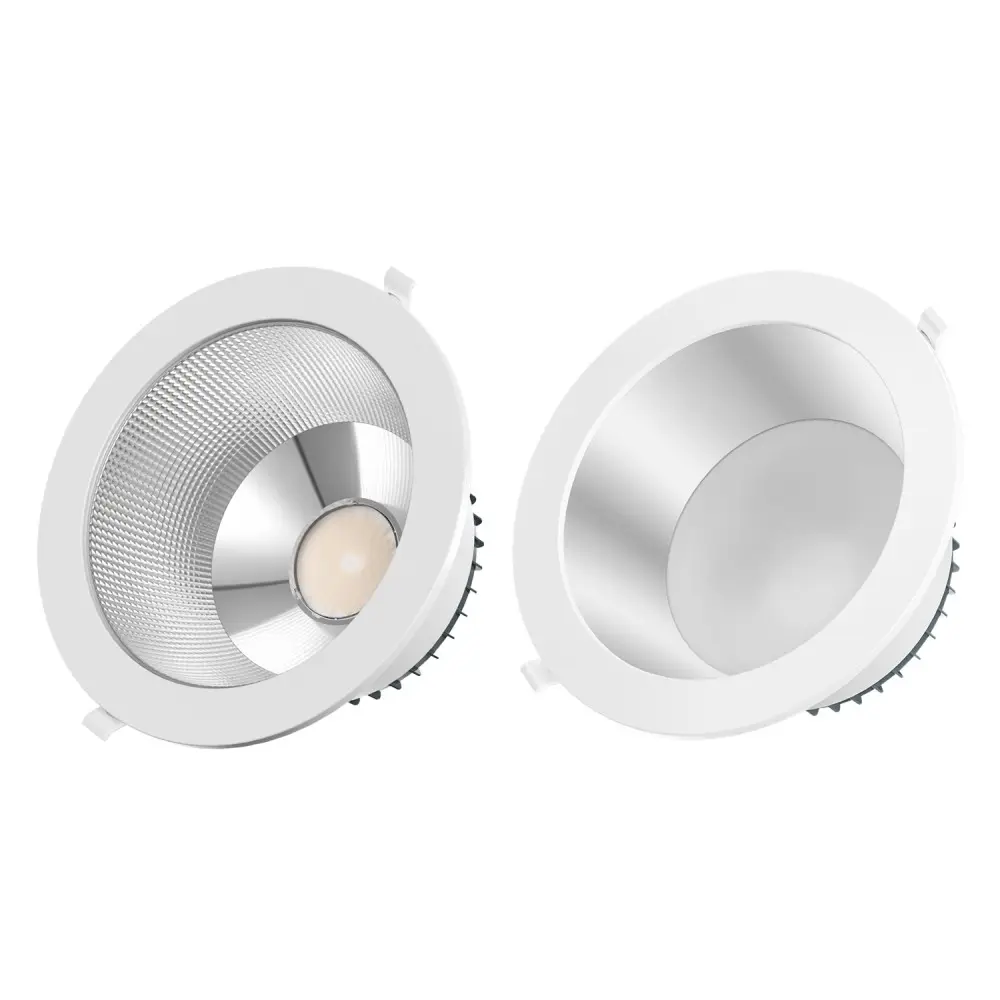
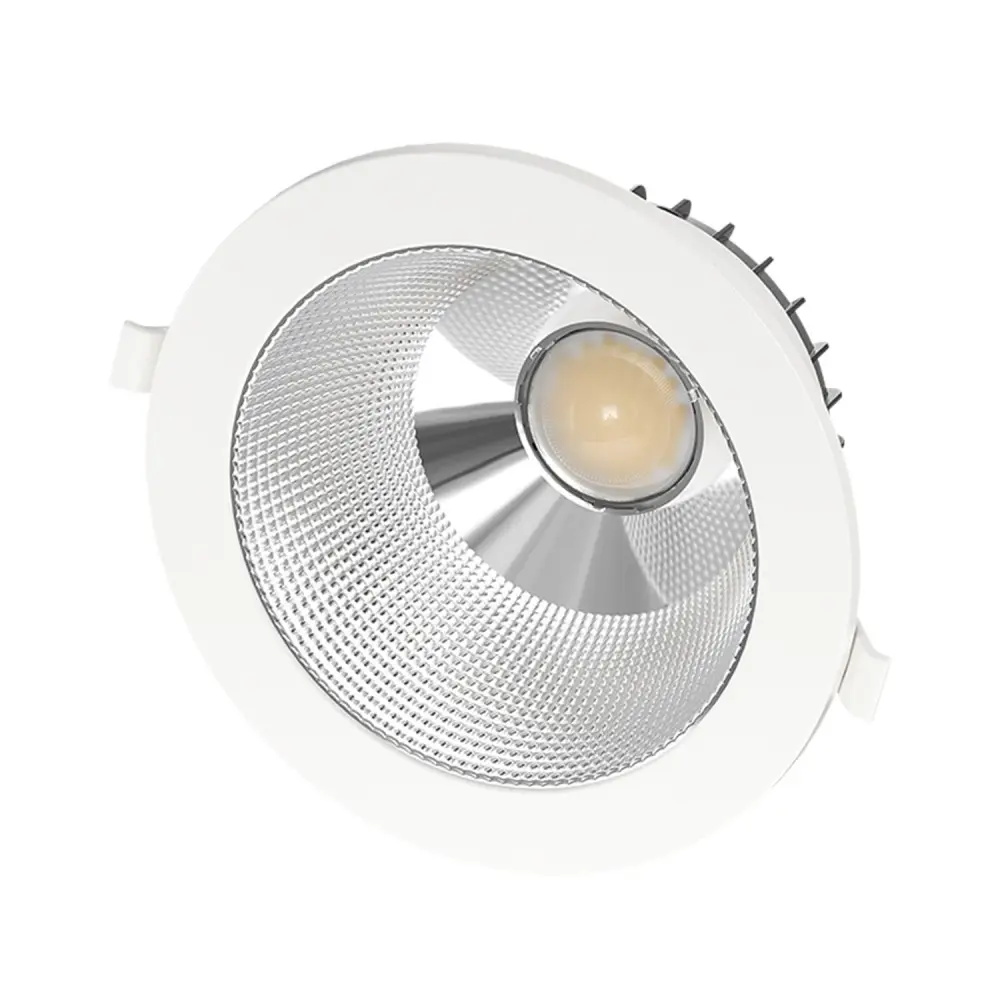
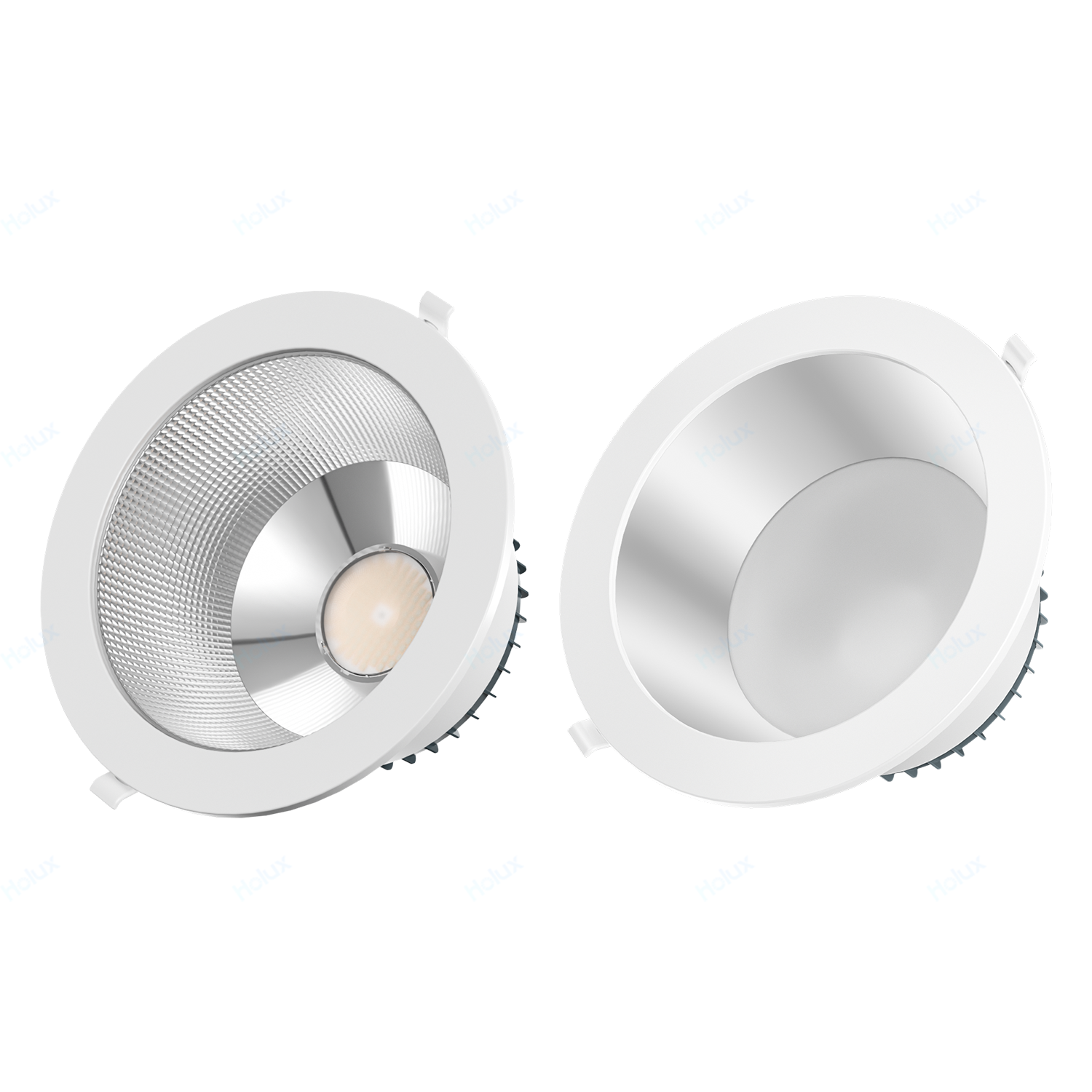
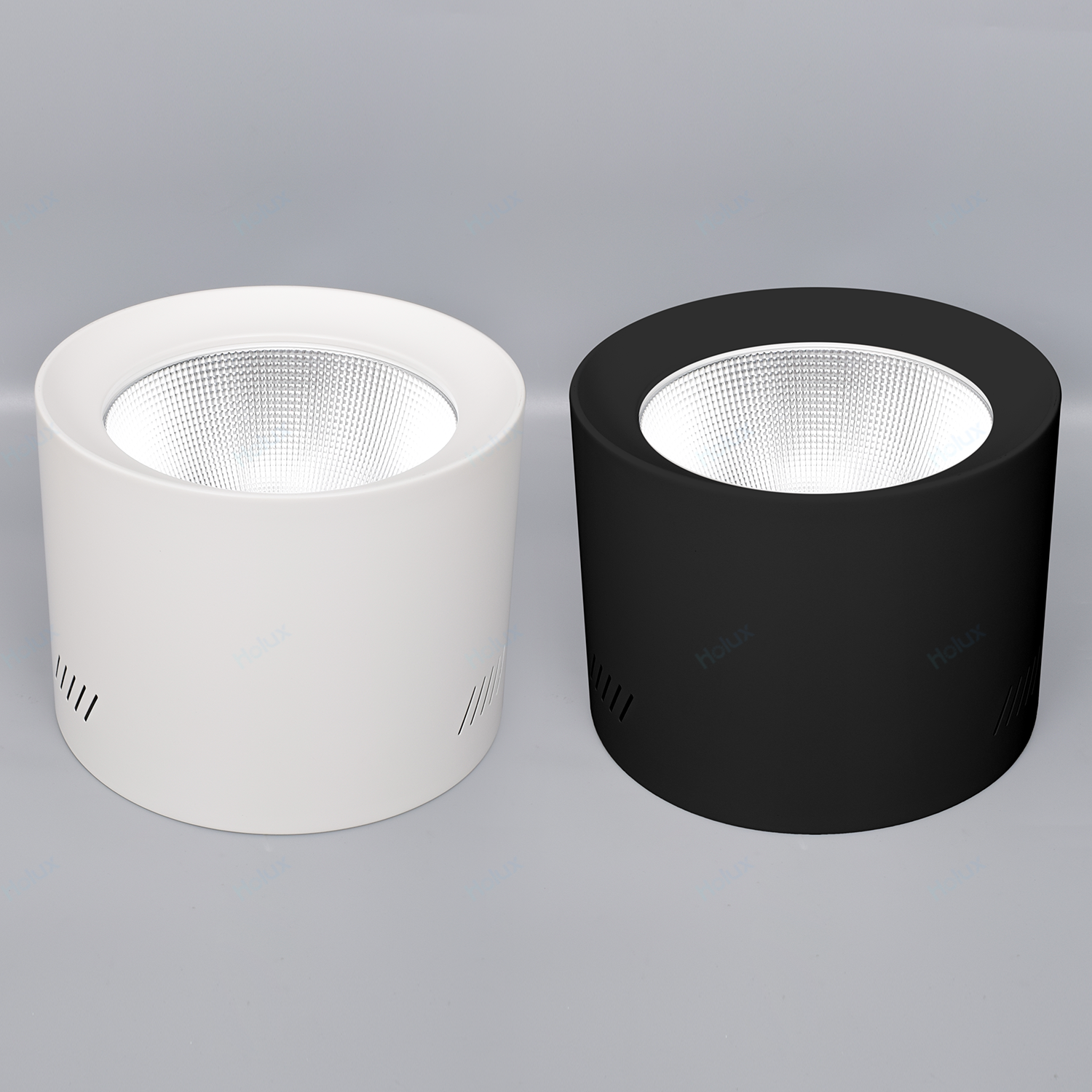
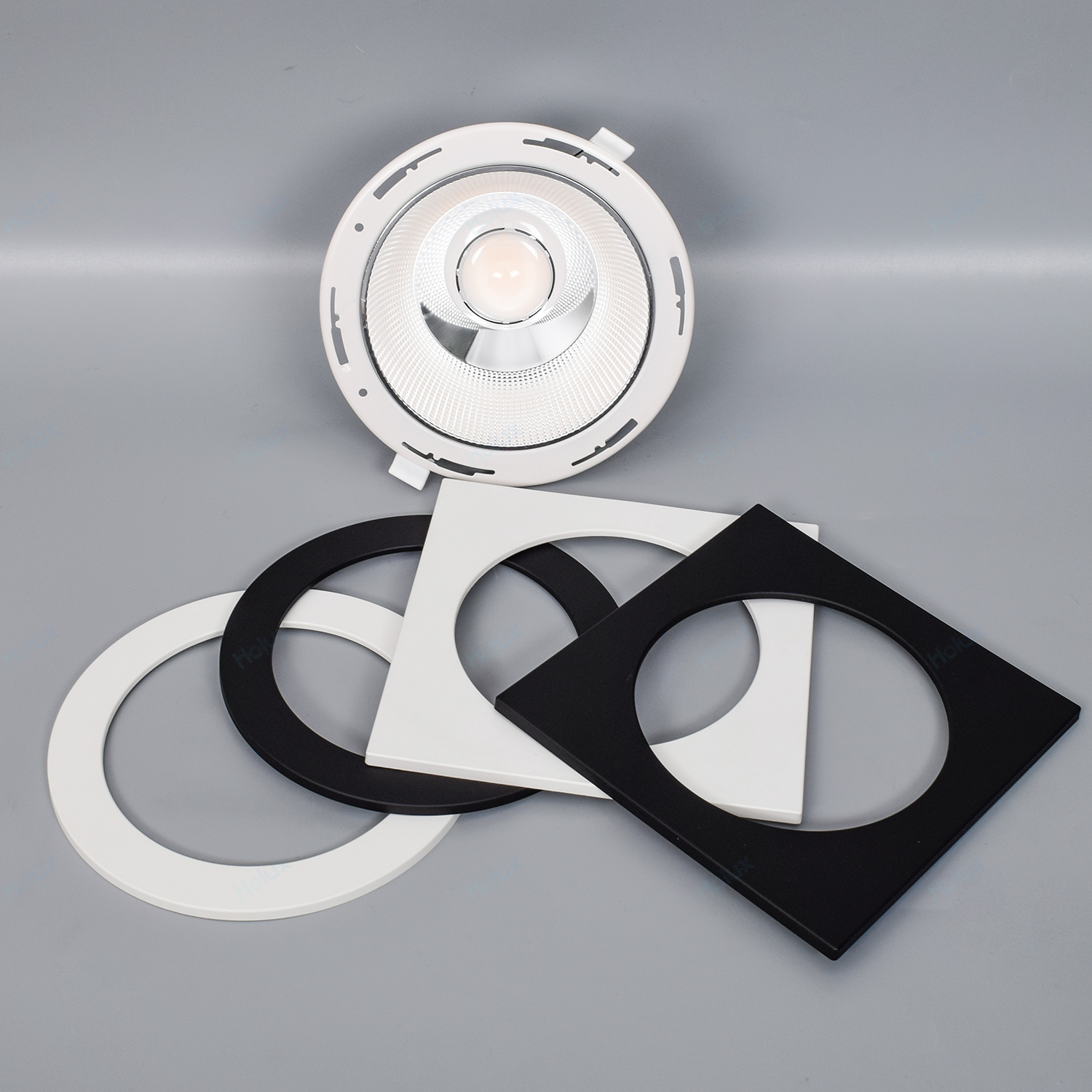
The dali downlight represents a cutting-edge solution in modern lighting technology, combining intelligent control capabilities with energy-efficient illumination. DALI, which stands for Digital Addressable Lighting Interface, is an international standard protocol that enables precise communication between lighting fixtures and control systems. This sophisticated downlight integrates seamlessly into contemporary architectural spaces, offering unparalleled flexibility in managing light output, color temperature, and energy consumption. The dali downlight functions as both a standalone fixture and as part of a larger networked lighting ecosystem, allowing users to create customized lighting scenes, automate schedules, and monitor performance remotely. Its technological features include bidirectional communication, which means the fixture can both receive commands and send status information back to the control system, enabling real-time monitoring of lamp health, energy usage, and operational status. The advanced microprocessor embedded within each dali downlight ensures smooth dimming performance across the entire range, from zero to one hundred percent, without flickering or color shifting. Applications for this versatile lighting solution span numerous environments including commercial offices, retail spaces, hospitality venues, healthcare facilities, educational institutions, residential developments, and industrial settings. The dali downlight proves particularly valuable in environments where lighting quality directly impacts productivity, comfort, or ambiance. Installation professionals appreciate the straightforward wiring requirements, as DALI protocol operates on low-voltage control cables separate from the main power supply, simplifying troubleshooting and system expansion. The fixture housing typically features premium materials such as die-cast aluminum for superior heat dissipation, ensuring longevity and consistent performance throughout its operational lifespan. With growing emphasis on sustainable building practices and smart infrastructure, the dali downlight has emerged as an essential component in achieving green building certifications and reducing operational costs while enhancing occupant experience through superior lighting control and quality.


New Product Recommendations

Choosing a dali downlight for your lighting project delivers numerous practical benefits that directly impact your bottom line and daily operations. First and foremost, these fixtures dramatically reduce energy consumption compared to traditional lighting systems. You gain the ability to dim lights precisely to match actual needs rather than operating at full brightness constantly, which translates to lower electricity bills month after month. The intelligent control features mean lights can automatically adjust based on occupancy or daylight availability, ensuring you never waste energy illuminating empty spaces. Beyond energy savings, the dali downlight offers exceptional flexibility in creating the perfect atmosphere for any situation. You can program different lighting scenes for various times of day or activities, switching instantly between them without touching a single switch. This adaptability proves invaluable in spaces like conference rooms, restaurants, or retail environments where lighting needs change throughout the day. Maintenance costs drop significantly because the system continuously monitors each dali downlight and alerts you to potential issues before complete failure occurs. This predictive maintenance capability prevents unexpected outages and allows you to schedule replacements during convenient times rather than responding to emergency situations. The bidirectional communication inherent in DALI technology provides valuable data about actual energy usage, helping you identify opportunities for further optimization and justify your investment with concrete numbers. Installation and future modifications become simpler because you can reprogram lighting zones and behaviors through software rather than rewiring physical circuits. This flexibility protects your investment as your space evolves over time, accommodating layout changes or different usage patterns without costly electrical work. The superior dimming performance of the dali downlight enhances comfort for occupants by eliminating the flicker and harsh transitions associated with older dimming technologies. Smooth, precise light level adjustments reduce eye strain and create more pleasant environments, which can improve productivity in workplaces and satisfaction in commercial settings. Integration capabilities with other building systems represent another significant advantage, as DALI protocol works alongside standard building management systems, enabling coordinated responses like automatically adjusting lighting during HVAC optimization or emergency situations. The standardized nature of DALI technology ensures compatibility between products from different manufacturers, giving you freedom to select the best fixtures for each application without worrying about proprietary lock-in. Long-term reliability stems from the robust design of quality dali downlight products, which undergo rigorous testing to ensure consistent performance across varying environmental conditions and extended operational periods. Your investment yields returns not just through direct energy savings but also through enhanced user experience, reduced maintenance burden, improved operational insight, and future-proof flexibility that adapts to changing needs and emerging technologies.

Latest News

How Does Indoor Lighting Improve Comfort and Productivity in Modern Spaces?

08

Apr

How Does Indoor Lighting Improve Comfort and Productivity in Modern Spaces?

Indoor lighting serves as the foundation of human comfort and performance in modern workspaces, residential environments, and commercial facilities. The way light interacts with our biological systems, visual perception, and psychological well-being ...
View More
Why Is Reliable Commercial Lighting Important for Large Facilities?

01

Apr

Why Is Reliable Commercial Lighting Important for Large Facilities?

Large facilities face unique challenges when it comes to maintaining optimal lighting conditions across expansive spaces. From warehouses and manufacturing plants to retail centers and distribution facilities, the demand for consistent, dependable il...
View More
How Can Grille Light Support Efficient Lighting Layouts in Buildings?

01

May

How Can Grille Light Support Efficient Lighting Layouts in Buildings?

Efficient lighting layouts in modern buildings require careful consideration of both functional illumination and energy performance, and grille light fixtures have emerged as a cornerstone solution for architects and facility managers seeking optimal...
View More
How Does LED Bulb Brightness Compare with Conventional Bulbs?

13

May

How Does LED Bulb Brightness Compare with Conventional Bulbs?

Understanding LED bulb brightness in relation to conventional lighting technologies remains a critical consideration for facility managers, procurement specialists, and industrial operations planning lighting upgrades or retrofits. The transition fro...
View More

Get a Free Quote

Our representative will contact you soon.
Email
Name
Company Name
Message
0/1000

dali downlight

Intelligent Dimming and Precise Light Control

Intelligent Dimming and Precise Light Control

The dali downlight excels in delivering unmatched precision when adjusting light levels, setting it apart from conventional dimming systems that often struggle with limited range or inconsistent performance. This advanced capability stems from the digital communication protocol that allows each fixture to receive specific instructions with extraordinary accuracy. Unlike analog dimming methods that rely on voltage adjustments and often result in flickering, limited dimming range, or premature LED failure, the dali downlight uses digital signals to achieve smooth transitions across the complete spectrum from complete darkness to maximum brightness. This precision matters tremendously in real-world applications where specific light levels contribute to comfort, productivity, and ambiance. Consider a contemporary office environment where employees work on computer screens throughout the day. The dali downlight can be programmed to maintain optimal illumination that complements screen brightness without creating glare or excessive contrast, reducing eye fatigue and enhancing focus. As natural daylight changes throughout the day, integrated sensors work with the dali downlight system to automatically compensate, maintaining consistent perceived brightness while minimizing energy consumption. In retail settings, the ability to highlight merchandise with precisely controlled accent lighting while maintaining appropriate ambient levels creates compelling displays that drive sales. The dali downlight responds instantly to scene changes, allowing stores to transform their atmosphere for different times of day, special events, or seasonal promotions with a single command. Healthcare facilities benefit particularly from the smooth, flicker-free dimming performance, as patients recovering from procedures or managing light sensitivity conditions require carefully controlled illumination. The gradual transitions possible with a dali downlight system prevent the jarring changes that can cause discomfort or disorientation. Restaurants and hospitality venues leverage this precise control to craft memorable dining experiences, adjusting lighting subtly throughout the evening to match the progression from cocktail hour through dinner service to late-night ambiance. Technical specifications reveal the superiority of this approach, with quality dali downlight products maintaining consistent color temperature across the entire dimming range, avoiding the unwanted warm shift that plagues many competing technologies. The digital protocol eliminates the electromagnetic interference issues sometimes associated with phase-cut dimming, ensuring the dali downlight operates cleanly without affecting nearby audio equipment or sensitive electronics. This precision extends to group control scenarios where multiple fixtures must dim in perfect synchronization to maintain visual harmony. The dali downlight architecture ensures all units receive identical commands simultaneously, preventing the uneven dimming patterns that can occur with other control methods.
Comprehensive Monitoring and Predictive Maintenance Capabilities

Comprehensive Monitoring and Predictive Maintenance Capabilities

One of the most valuable yet often overlooked advantages of implementing a dali downlight system lies in its sophisticated monitoring and diagnostic capabilities that transform lighting from a passive infrastructure element into an actively managed asset. Traditional lighting installations operate as black boxes, providing no information about their status until complete failure forces reactive maintenance. The dali downlight fundamentally changes this paradigm through continuous bidirectional communication that delivers actionable intelligence about every fixture in your system. Each dali downlight reports its operational status back to the central controller, including data points such as current power consumption, accumulated operating hours, internal temperature readings, and diagnostic codes indicating potential issues. This wealth of information empowers facility managers to shift from reactive to predictive maintenance strategies that minimize disruption and control costs. When a dali downlight begins showing signs of degradation, such as gradually increasing power draw or temperature outside normal parameters, the system flags this anomaly long before the fixture fails completely. Maintenance teams receive advance notice enabling them to schedule replacement during planned maintenance windows rather than responding to emergency calls. This proactive approach reduces labor costs by consolidating maintenance activities and prevents the secondary problems that occur when lighting failures go unnoticed in large facilities. The data generated by a dali downlight network also reveals usage patterns that inform optimization strategies. Discovering that certain zones consistently operate at low occupancy suggests opportunities to implement more aggressive automatic shutoff policies or reconfigure space utilization. Energy consumption tracking at the individual fixture level identifies outliers that may indicate installation issues, driver problems, or unauthorized modifications requiring attention. For organizations pursuing sustainability certifications or energy reduction commitments, the detailed reporting from a dali downlight system provides the documentation necessary to verify achievements and identify improvement opportunities. The standardized DALI protocol ensures this monitoring capability works consistently regardless of manufacturer, protecting your investment in monitoring infrastructure even as you potentially source fixtures from multiple suppliers for different applications. Remote monitoring capabilities mean facility managers oversee lighting performance across multiple buildings or even geographic locations from a centralized dashboard, receiving immediate alerts about any issues requiring attention. This centralized visibility proves especially valuable for organizations managing distributed portfolios where sending technicians to investigate minor issues would be prohibitively expensive. The dali downlight monitoring capabilities extend beyond the fixtures themselves to encompass associated control devices like occupancy sensors and daylight harvesters, creating comprehensive system health visibility. Firmware updates can often be deployed remotely to dali downlight installations, ensuring your system benefits from manufacturer improvements and new features without requiring physical access to each fixture. This ongoing enhancement potential extends the useful life of your installation and protects against premature obsolescence.
Seamless Integration with Smart Building Ecosystems

Seamless Integration with Smart Building Ecosystems

The dali downlight serves as a crucial building block within comprehensive smart building strategies, offering standardized integration capabilities that connect lighting with broader facility management objectives. Modern buildings function as complex ecosystems where mechanical systems, security infrastructure, environmental controls, and occupant services must coordinate seamlessly to optimize performance, comfort, and efficiency. The open protocol foundation of a dali downlight installation ensures compatibility with major building management systems and industry-standard communication frameworks, eliminating the integration headaches that plague proprietary lighting solutions. This interoperability enables powerful coordinated responses that transcend what isolated systems can achieve independently. During emergency situations, the dali downlight system receives signals from fire alarm panels and immediately switches to emergency lighting modes, illuminating egress paths while dimming non-essential fixtures to reduce confusion. Occupancy data gathered through the dali downlight network feeds into HVAC optimization algorithms, allowing climate control systems to focus resources on occupied zones while reducing conditioning in vacant areas. The resulting energy savings multiply beyond what lighting controls alone could deliver, as the coordinated response addresses multiple consumption sources simultaneously. Meeting room management systems communicate with dali downlight fixtures to automatically configure appropriate lighting for scheduled activities, dimming lights and closing shades for video presentations then restoring optimal levels for collaborative work sessions. This automated scene management eliminates the fumbling with wall controls that often wastes valuable meeting time and ensures consistent, professional environments. Circadian lighting programs leverage the color-tuning capabilities available in advanced dali downlight models to support occupant wellbeing by mimicking natural daylight patterns throughout the day. Higher color temperatures during morning hours promote alertness and focus, while gradual shifts toward warmer tones in the afternoon support natural biological rhythms. Integration with employee scheduling systems allows the dali downlight network to anticipate staffing patterns, preconditioning spaces before arrival and implementing energy-saving measures during known vacancy periods. Retail applications connect point-of-sale data with dali downlight scene controls, automatically highlighting promoted merchandise or creating festive atmospheres during peak shopping periods. The standardized communication protocols mean a dali downlight system implemented today remains compatible with emerging technologies and future facility upgrades, protecting your infrastructure investment against obsolescence. Application programming interfaces provided by DALI controllers enable custom integrations addressing unique organizational requirements without requiring proprietary hardware or specialized expertise. Cloud connectivity options transform the dali downlight installation into an Internet of Things endpoint, enabling remote management, analytics processing, and integration with enterprise systems extending far beyond the physical facility. This connectivity supports mobile applications that empower building occupants to customize their personal lighting preferences within defined parameters, enhancing satisfaction while maintaining overall system efficiency. The data streams generated by an integrated dali downlight deployment contribute to digital twin models that simulate building performance, supporting optimization experiments and predictive analysis without disrupting actual operations.

Get a Free Quote

Our representative will contact you soon.
Email
Name
Company Name
Message
0/1000