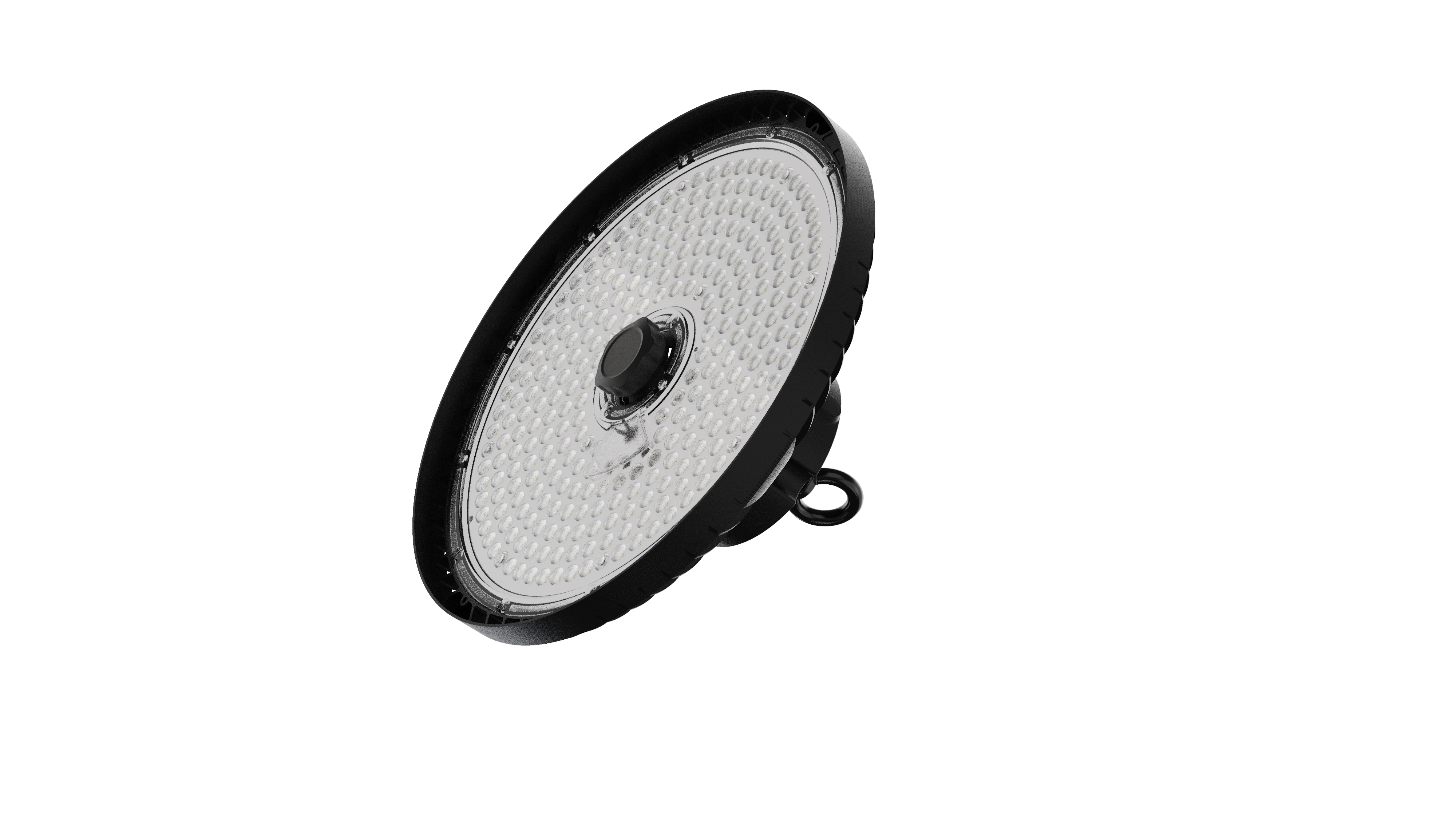
Industrial Warehouse Lighting Solutions - Energy Efficient LED Systems for Distribution Centers

Get a Free Quote

Our representative will contact you soon.
Email
Name
Company Name
Message
0/1000

industrial warehouse lighting

Industrial warehouse lighting represents a critical infrastructure component that directly impacts operational efficiency, worker safety, and energy consumption in large-scale storage facilities. These specialized lighting systems are engineered to illuminate vast open spaces with high ceilings, typically ranging from 20 to 50 feet or higher, while maintaining optimal visibility across multiple aisles, loading docks, and work zones. The primary functions of industrial warehouse lighting include providing uniform illumination for inventory management, facilitating safe material handling operations, supporting security surveillance systems, and enabling accurate order fulfillment processes. Modern warehouse lighting solutions incorporate advanced technologies such as LED modules, intelligent controls, motion sensors, and daylight harvesting capabilities to maximize energy efficiency while delivering superior light quality. These systems feature robust construction designed to withstand harsh environmental conditions including temperature fluctuations, dust accumulation, moisture exposure, and occasional physical impacts from forklifts or material handling equipment. The technological features of contemporary warehouse lighting encompass high lumen output ranging from 15,000 to 40,000 lumens per fixture, color temperatures between 4000K and 5700K for enhanced visibility, and Color Rendering Index values exceeding 80 to ensure accurate product identification. Applications span across diverse sectors including distribution centers, manufacturing facilities, cold storage warehouses, e-commerce fulfillment centers, automotive parts storage, pharmaceutical distribution, food processing plants, and retail logistics hubs. The integration of smart lighting controls enables zone-based operation, scheduling capabilities, occupancy detection, and remote monitoring through IoT connectivity, allowing facility managers to optimize lighting performance based on real-time usage patterns and operational requirements while significantly reducing maintenance costs and environmental impact through extended fixture lifespan and reduced energy consumption.


New Product Recommendations

Implementing proper industrial warehouse lighting delivers substantial cost savings through dramatic reductions in electricity consumption, with LED technology consuming up to 75 percent less energy compared to traditional metal halide or high-pressure sodium fixtures. Your facility benefits from immediate operational improvements as superior illumination quality enhances worker productivity by reducing eye strain and fatigue during extended shifts, enabling faster and more accurate picking operations that directly impact order fulfillment rates. Safety improvements become immediately apparent as properly lit environments reduce accident risks, minimize workplace injuries from trips and falls, and provide clear visibility for forklift operators navigating busy aisles and intersections. The extended lifespan of modern lighting systems, often exceeding 50,000 operational hours, translates to fewer maintenance interventions and reduced labor costs associated with fixture replacement in high-ceiling installations that require expensive lift equipment and work disruptions. Your maintenance teams appreciate the reliability of solid-state lighting technology that eliminates the frequent burnouts and color shifts characteristic of older lighting technologies, ensuring consistent illumination levels throughout the facility without unexpected dark zones that compromise safety and efficiency. Environmental benefits extend beyond energy savings as reduced power consumption lowers your carbon footprint and supports corporate sustainability initiatives while eliminating hazardous materials like mercury found in fluorescent alternatives. The instant-on capability of LED warehouse lighting eliminates warm-up periods, allowing lights to reach full brightness immediately when workers enter a zone, supporting energy-saving strategies through occupancy-based controls without compromising accessibility. Your facility gains operational flexibility through dimming capabilities that adjust light levels based on available daylight or specific task requirements, further optimizing energy usage during periods of reduced activity. Temperature management improves as LED fixtures generate significantly less heat compared to conventional lighting, reducing cooling loads in climate-controlled warehouses and creating more comfortable working conditions. Return on investment typically occurs within two to four years through combined energy savings, maintenance reduction, and productivity improvements, making the upgrade financially attractive for facilities of any size. Insurance providers often recognize improved lighting as a risk mitigation factor, potentially reducing premium costs while demonstrating commitment to worker safety and regulatory compliance with OSHA illumination standards for industrial environments.

Tips And Tricks

What Are the Advantages of T8 LED Tube for Large Lighting Retrofit Projects?

28

Apr

What Are the Advantages of T8 LED Tube for Large Lighting Retrofit Projects?

Large-scale lighting retrofit projects present unique challenges that require careful consideration of multiple factors, from energy efficiency and maintenance costs to installation complexity and long-term performance. When facility managers and lig...
View More
How Does LED Bulb Brightness Compare with Conventional Bulbs?

13

May

How Does LED Bulb Brightness Compare with Conventional Bulbs?

Understanding LED bulb brightness in relation to conventional lighting technologies remains a critical consideration for facility managers, procurement specialists, and industrial operations planning lighting upgrades or retrofits. The transition fro...
View More
Why Is LED Batten Widely Used for Utility and Functional Lighting?

20

May

Why Is LED Batten Widely Used for Utility and Functional Lighting?

The transformation of commercial and industrial lighting over the past decade has been driven by technologies that combine energy efficiency with practical performance. Among these innovations, the LED batten has emerged as a dominant fixture in util...
View More
Why Is LED Batten Ideal for Simple and Efficient Lighting Solutions?

27

May

Why Is LED Batten Ideal for Simple and Efficient Lighting Solutions?

Modern commercial and industrial environments demand lighting solutions that combine simplicity with performance, and LED batten fixtures have emerged as a leading choice for spaces requiring straightforward yet effective illumination. These linear l...
View More

Get a Free Quote

Our representative will contact you soon.
Email
Name
Company Name
Message
0/1000

industrial warehouse lighting

Advanced Energy Efficiency and Operational Cost Reduction

Advanced Energy Efficiency and Operational Cost Reduction

The financial impact of transitioning to modern industrial warehouse lighting extends far beyond simple bulb replacement, fundamentally transforming your facility's operational economics through multiple cost-reduction mechanisms. Energy consumption represents one of the largest controllable expenses in warehouse operations, and lighting typically accounts for 25 to 40 percent of total electricity usage in facilities operating traditional lighting systems. By implementing LED-based warehouse lighting solutions, your facility immediately accesses energy savings ranging from 60 to 75 percent compared to metal halide systems and 50 to 65 percent compared to fluorescent installations. These savings compound over time as electricity rates increase, providing predictable cost containment that improves budget forecasting accuracy. The integration of intelligent controls amplifies these savings through occupancy sensors that automatically dim or switch off lights in unoccupied zones, daylight harvesting systems that reduce artificial lighting when natural light is available, and scheduling functions that align lighting operation with shift patterns and operational requirements. Your facility benefits from demand charge reductions as lower wattage fixtures decrease peak power consumption, potentially moving your operation into more favorable utility rate structures. The extended operational lifespan of industrial warehouse lighting, often guaranteed for 50,000 to 100,000 hours of operation, eliminates the frequent replacement cycles that plague conventional systems, dramatically reducing maintenance labor costs particularly significant in high-bay applications requiring specialized lift equipment and safety protocols. Your maintenance budget becomes more predictable as you eliminate emergency repair calls for burned-out fixtures that create safety hazards and operational disruptions. The superior lumen maintenance characteristics of quality LED systems ensure that light output remains consistent throughout the fixture's lifespan, avoiding the gradual dimming that forces premature replacement of traditional bulbs to maintain adequate illumination levels. Financial modeling consistently demonstrates that comprehensive lighting upgrades achieve positive cash flow within 24 to 48 months through combined energy savings, maintenance reduction, and productivity improvements, with total cost of ownership analysis revealing 70 to 80 percent lower expenses over a ten-year period compared to maintaining legacy lighting infrastructure.
Enhanced Safety and Productivity Performance

Enhanced Safety and Productivity Performance

The direct correlation between lighting quality and workplace safety cannot be overstated in warehouse environments where material handling equipment, elevated storage systems, and constant movement create inherent risk factors that proper illumination effectively mitigates. Industrial warehouse lighting designed to meet or exceed recommended illumination levels for specific tasks creates safer working conditions by providing clear visibility of floor obstacles, pallet edges, rack structures, and moving equipment throughout the facility. Your workers experience reduced eye strain and visual fatigue during extended shifts when lighting systems deliver appropriate color temperature and color rendering properties that enable accurate depth perception and color discrimination essential for product identification and quality control processes. The elimination of dark spots and shadowed areas through strategic fixture placement and uniform light distribution prevents the visual adaptation delays that occur when workers move between bright and dim zones, maintaining consistent visual acuity that supports both safety and efficiency. Motion detection capabilities integrated into modern warehouse lighting systems ensure that illumination activates before workers enter a zone, eliminating the hazardous situation of navigating darkened areas while waiting for lights to warm up, a common problem with older high-intensity discharge technologies. Your facility's security posture improves as comprehensive lighting coverage eliminates hiding spots, supports video surveillance system effectiveness, and deters unauthorized access during non-operational hours. Productivity measurements consistently demonstrate that properly illuminated warehouses achieve 10 to 25 percent improvements in picking accuracy and speed as workers can quickly locate items, read labels without hesitation, and navigate aisles confidently. The psychological impact of quality lighting creates a more positive work environment, supporting employee morale and retention in competitive labor markets where warehouse workers have multiple employment options. Compliance with occupational safety standards becomes straightforward when your lighting system is designed to meet or exceed recommended foot-candle levels for various warehouse tasks, reducing liability exposure and demonstrating commitment to worker welfare during regulatory inspections. Your operation benefits from reduced workers' compensation claims related to trips, falls, and material handling accidents that correlate strongly with inadequate illumination, creating financial savings that extend beyond direct lighting costs.
Smart Technology Integration and Future-Ready Infrastructure

Smart Technology Integration and Future-Ready Infrastructure

The evolution of industrial warehouse lighting from simple illumination devices to intelligent networked systems positions your facility to leverage emerging technologies that optimize operations through data collection, analysis, and automated responses. Modern lighting platforms incorporate sensors and connectivity that transform fixtures into multi-functional nodes within a comprehensive facility management ecosystem, collecting real-time data on occupancy patterns, temperature variations, and equipment status while delivering controllable illumination. Your facility management team gains unprecedented visibility into space utilization patterns as occupancy sensors integrated within lighting fixtures provide accurate time-stamped data revealing which areas experience peak activity, identifying underutilized zones that represent opportunities for layout optimization or alternative uses. The implementation of wireless control protocols enables centralized management of thousands of individual fixtures through intuitive software interfaces, allowing your team to create custom lighting scenes for different operational modes, adjust illumination levels remotely without physical access to fixtures, and respond immediately to changing requirements without rewiring or infrastructure modifications. Energy monitoring capabilities built into smart warehouse lighting systems provide granular consumption data at the fixture or zone level, enabling precise measurement of efficiency initiatives and identification of anomalies that might indicate equipment problems or opportunities for additional optimization. Your facility becomes adaptable to evolving operational requirements as programmable systems support rapid reconfiguration when warehouse layouts change, new tenants occupy space, or operational processes shift without requiring physical modifications to the lighting infrastructure. Integration with building management systems creates synergies where lighting coordinates with HVAC operations, security systems, and access controls to optimize overall facility performance while reducing complexity through unified control interfaces. The diagnostic capabilities of connected lighting systems provide predictive maintenance alerts when fixtures approach end-of-life or experience performance degradation, enabling proactive replacement during scheduled maintenance windows rather than reactive responses to failures that disrupt operations. Your investment gains longevity through firmware update capabilities that add new features and functionality to existing hardware, protecting against technological obsolescence and extending the useful life of the lighting infrastructure. The data generated by intelligent warehouse lighting systems supports continuous improvement initiatives by providing objective measurements of environmental conditions and operational patterns that inform strategic decisions about facility utilization, workforce deployment, and process optimization beyond the immediate lighting function.

Get a Free Quote

Our representative will contact you soon.
Email
Name
Company Name
Message
0/1000