Advanced Control Capabilities and Future-Ready Technology Integration
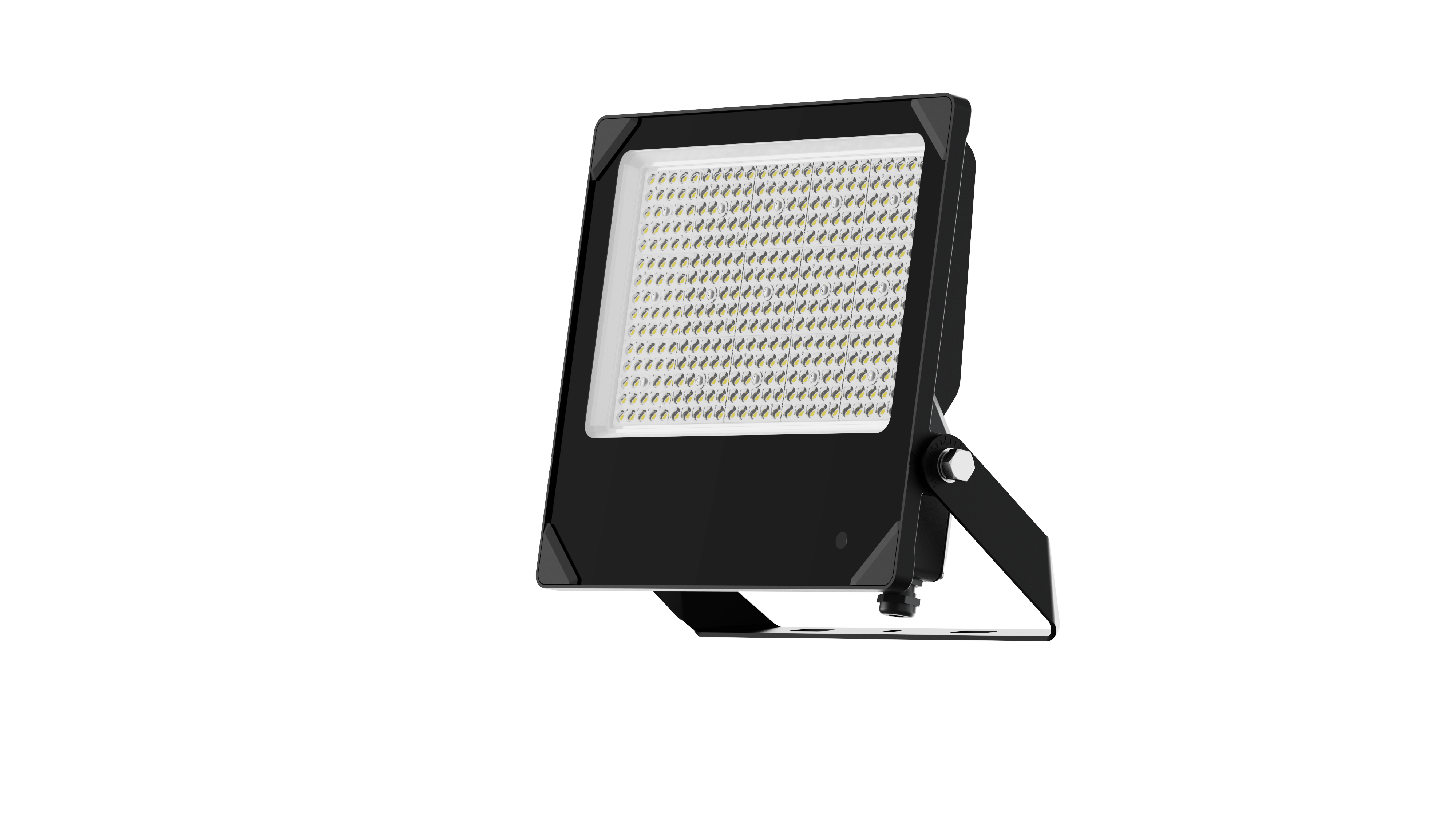
Sports field LED lighting incorporates sophisticated control systems and connectivity features that transform lighting from a basic utility into an intelligent infrastructure component supporting operational efficiency, enhanced functionality, and future technology integration. Modern sports field LED lighting systems communicate through wireless protocols or wired networks, enabling centralized management platforms where operators monitor performance, adjust settings, and receive maintenance alerts from remote locations rather than visiting each fixture individually. The granular control possible with sports field LED lighting allows facilities to create custom lighting scenes optimized for specific sports, events, or activities, storing presets that operators recall instantly rather than manually adjusting multiple fixtures. Smart scheduling capabilities built into sports field LED lighting controllers automate operation based on calendars, sunrise and sunset times, or occupancy detection, ensuring lights activate only when needed and eliminating energy waste from forgotten switches or premature activation. Dimming functionality integral to sports field LED lighting provides precise brightness adjustment from zero to one hundred percent, enabling facilities to match illumination levels appropriately to activities ranging from recreational play requiring modest lighting to professional competitions demanding maximum visibility. The diagnostic capabilities of connected sports field LED lighting systems provide real-time performance data including operating hours, energy consumption, and component status, allowing maintenance teams to transition from reactive repairs to predictive maintenance strategies that prevent failures before they impact operations. Integration possibilities with building management systems allow sports field LED lighting to coordinate with other facility systems including HVAC, security, and audio-visual equipment, creating cohesive operational environments managed through unified interfaces. The modular architecture of sports field LED lighting facilitates upgrades as technology evolves, with components like drivers, controls, and optical elements replaceable independently rather than requiring complete fixture replacement when improvements become available. Facilities implementing sports field LED lighting position themselves advantageously for emerging smart city initiatives and Internet of Things applications where connected lighting infrastructure provides data collection points and communication networks supporting broader technological ecosystems. The compatibility of sports field LED lighting with renewable energy sources including solar panels and battery storage systems enables facilities to pursue energy independence and resilience goals, maintaining operations during grid outages or peak demand periods. Advanced sports field LED lighting systems support dynamic white color temperature adjustment, allowing operators to modify the warmth or coolness of illumination based on time of day, event type, or broadcast requirements. The cyber-physical nature of modern sports field LED lighting requires robust security protocols protecting control systems from unauthorized access while maintaining the convenience and functionality that make smart features valuable for facility operations.

 EN
EN