industrial waterproof lighting
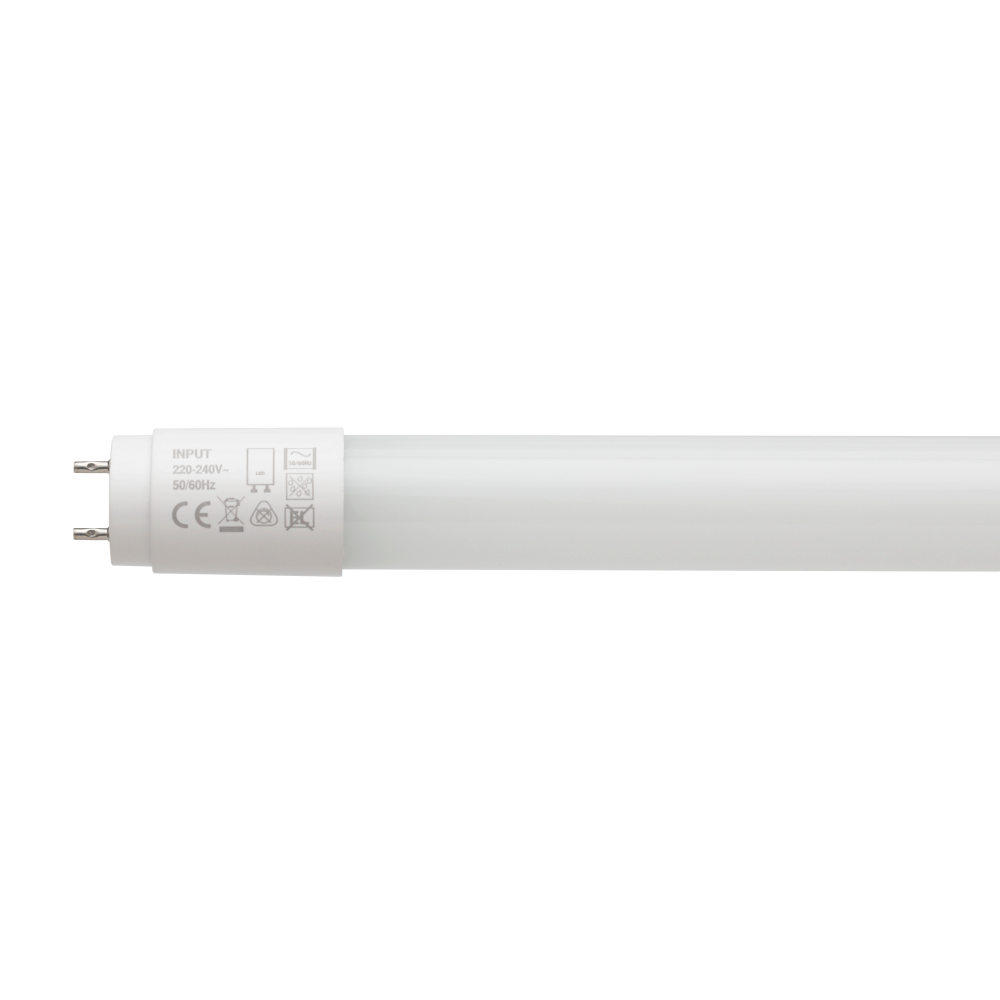
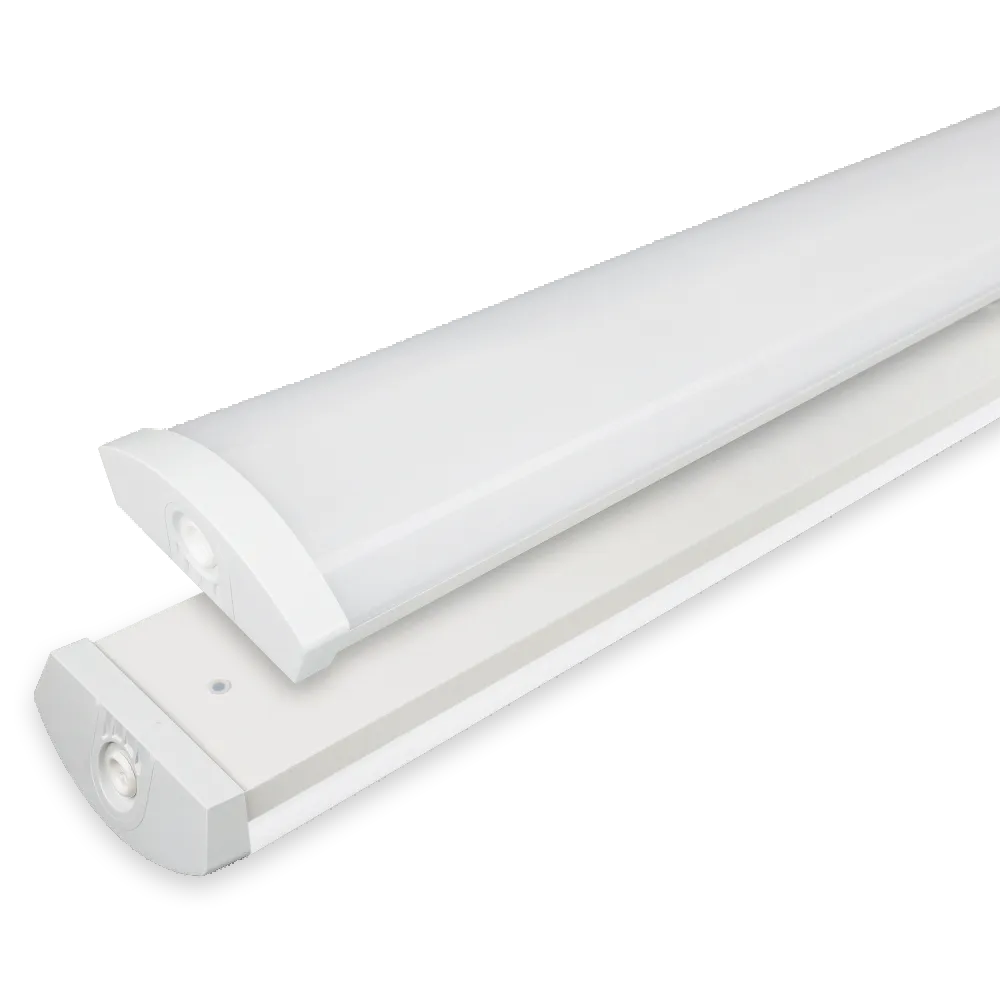
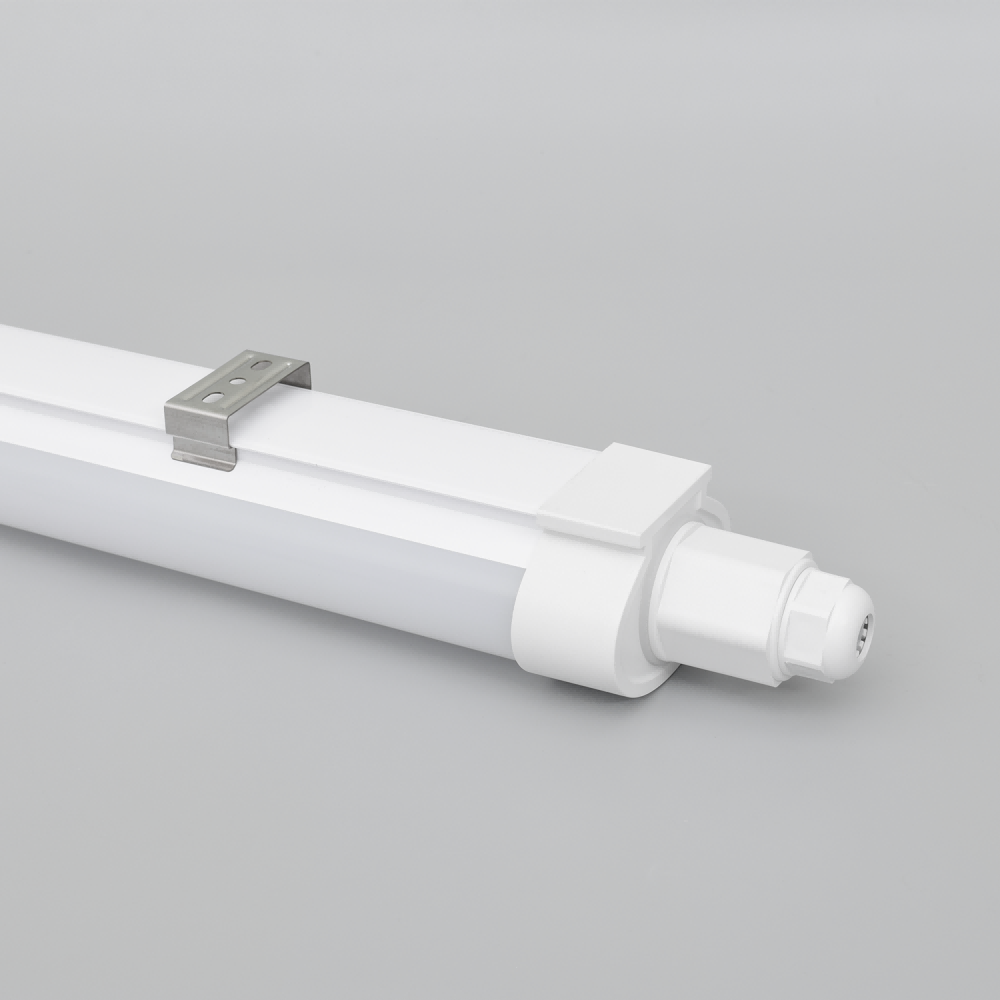
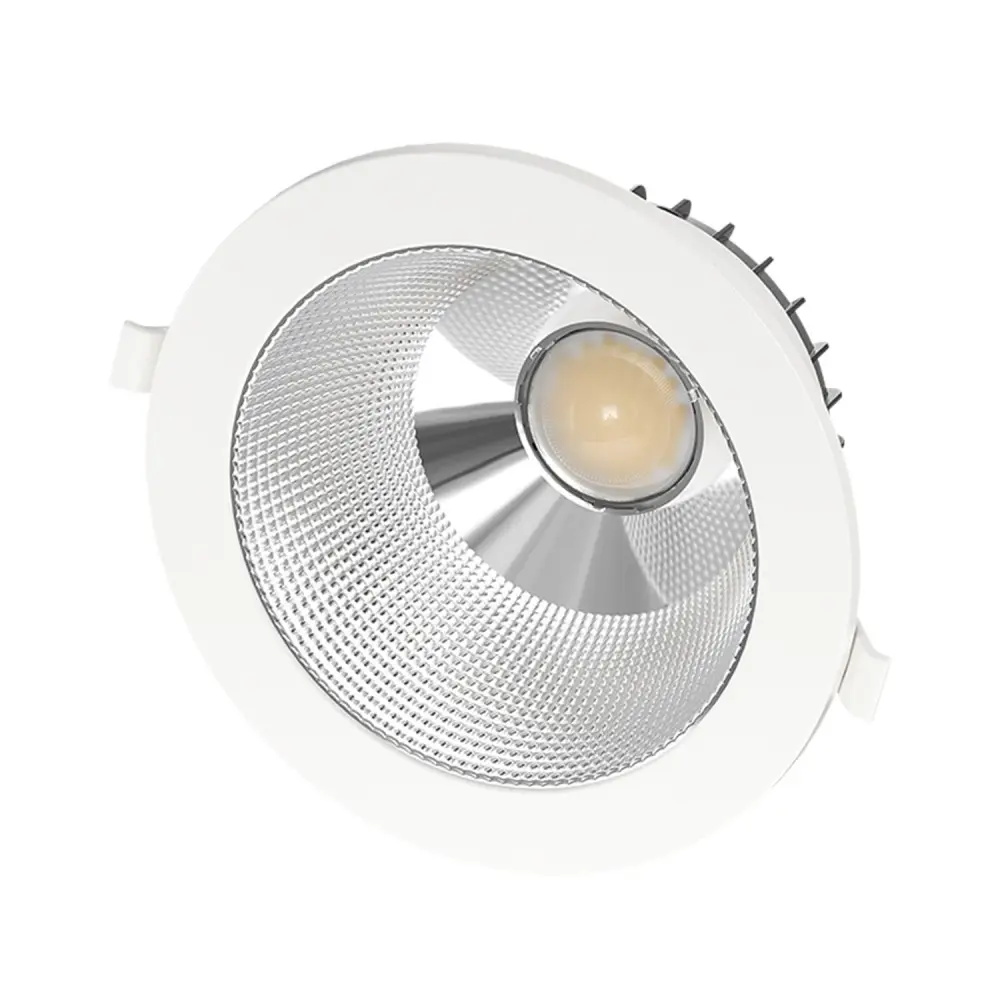
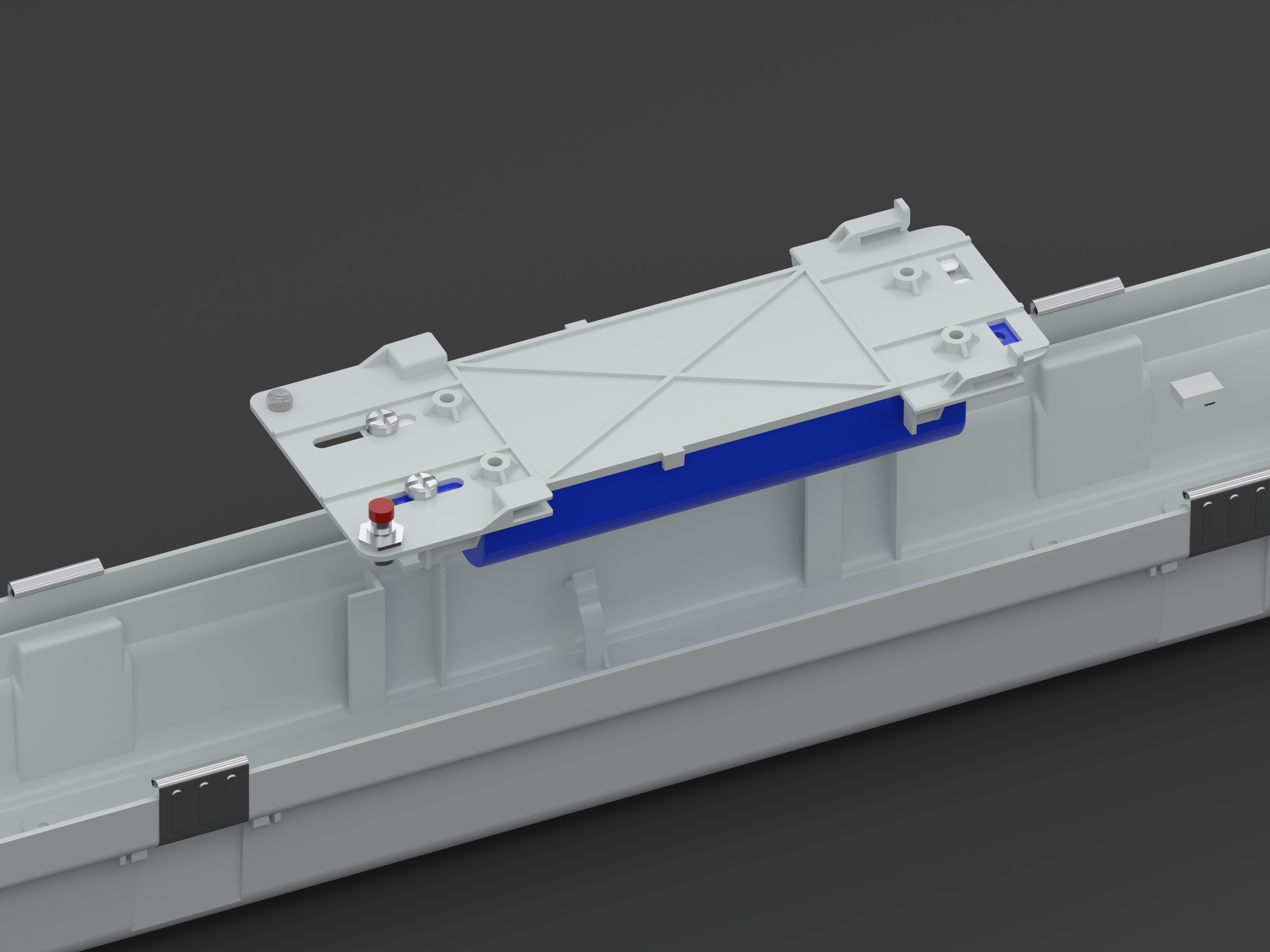
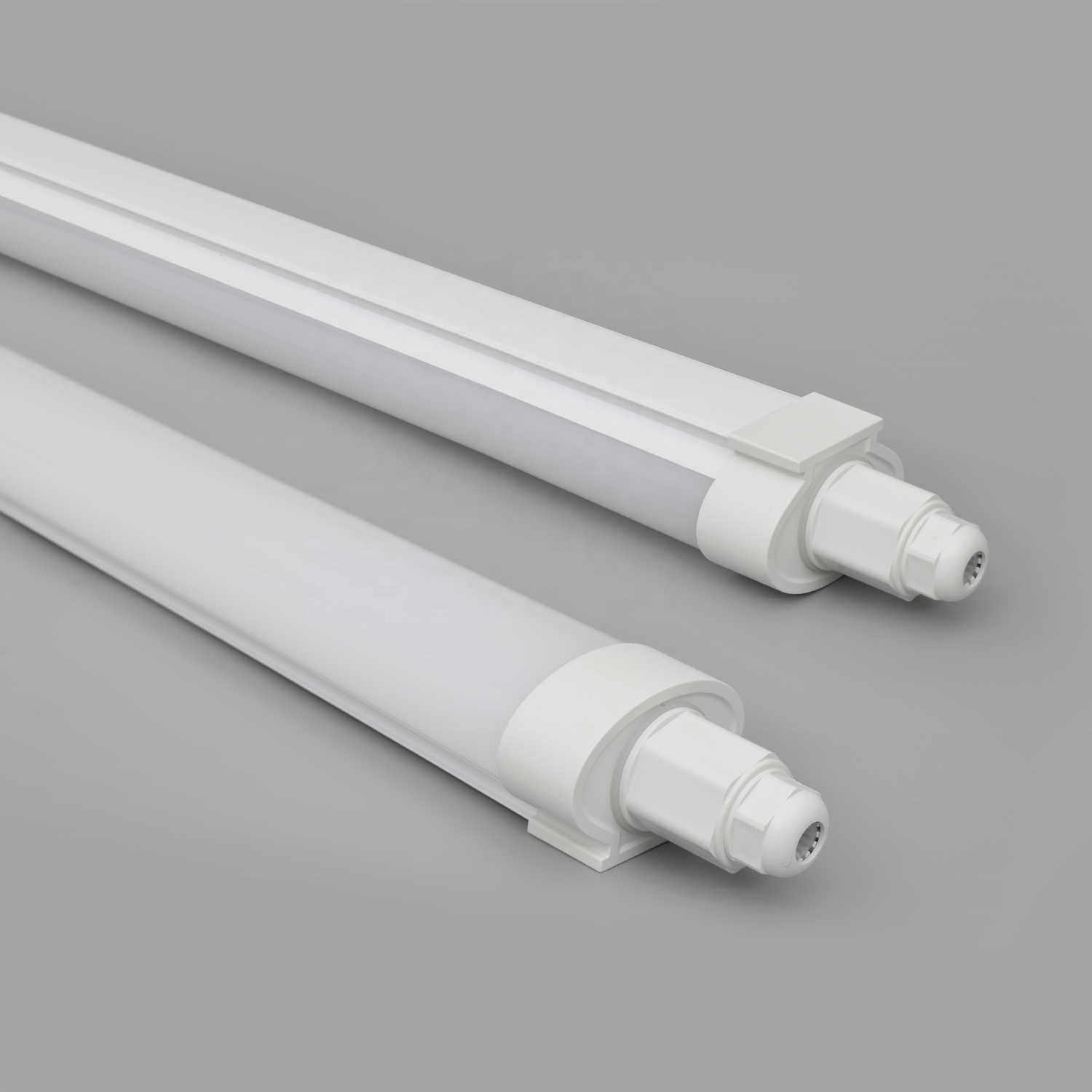
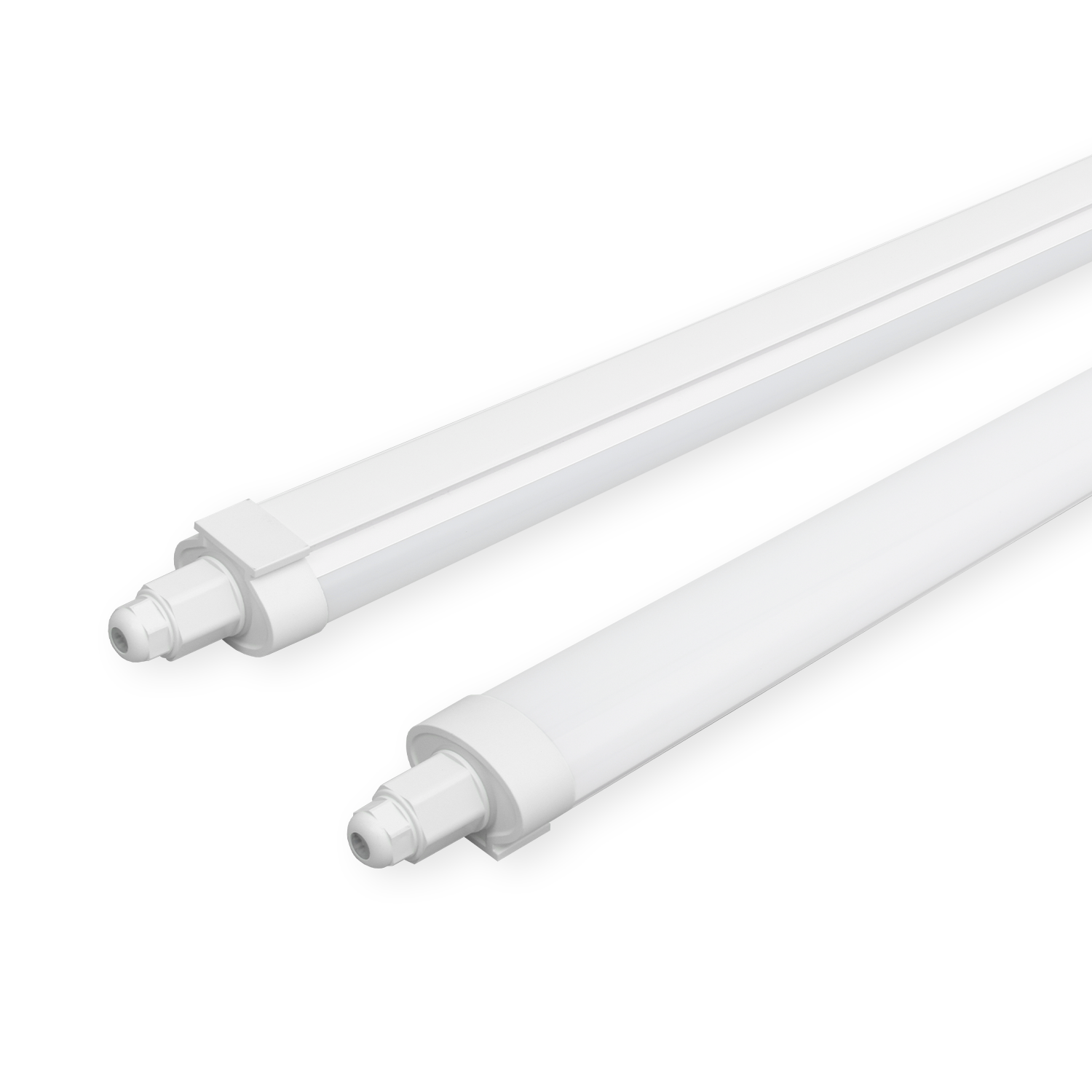
Industrial waterproof lighting represents a critical component in modern manufacturing facilities, warehouses, food processing plants, and outdoor industrial environments where exposure to moisture, dust, and harsh conditions is unavoidable. These specialized lighting solutions are engineered to withstand challenging operational environments while delivering consistent, reliable illumination that enhances workplace safety and productivity. The primary function of industrial waterproof lighting is to provide bright, dependable light in areas where conventional lighting fixtures would fail due to water ingress, humidity, chemical exposure, or extreme temperatures. These fixtures incorporate advanced sealing technologies, durable housing materials, and robust electrical components designed specifically for demanding applications. The technological features of industrial waterproof lighting include high Ingress Protection (IP) ratings, typically IP65 or higher, which guarantee complete protection against dust penetration and resistance to powerful water jets from any direction. Modern industrial waterproof lighting units utilize LED technology, offering superior energy efficiency compared to traditional fluorescent or incandescent options, with some models achieving up to 80 percent energy savings. The applications for industrial waterproof lighting span numerous sectors including automotive manufacturing plants, pharmaceutical laboratories, cold storage facilities, outdoor loading docks, car wash stations, marine environments, agricultural facilities, and chemical processing plants. These fixtures often feature impact-resistant polycarbonate or aluminum housings that can withstand physical shock and vibration common in industrial settings. Advanced thermal management systems ensure optimal LED performance and extended operational lifespans, often exceeding 50,000 hours of continuous use. Many industrial waterproof lighting systems incorporate intelligent controls, dimming capabilities, and emergency backup functions to meet specific operational requirements and safety regulations across different industries and geographical locations.

 EN
EN