Seamless Integration with Smart Control Systems and Automation Platforms
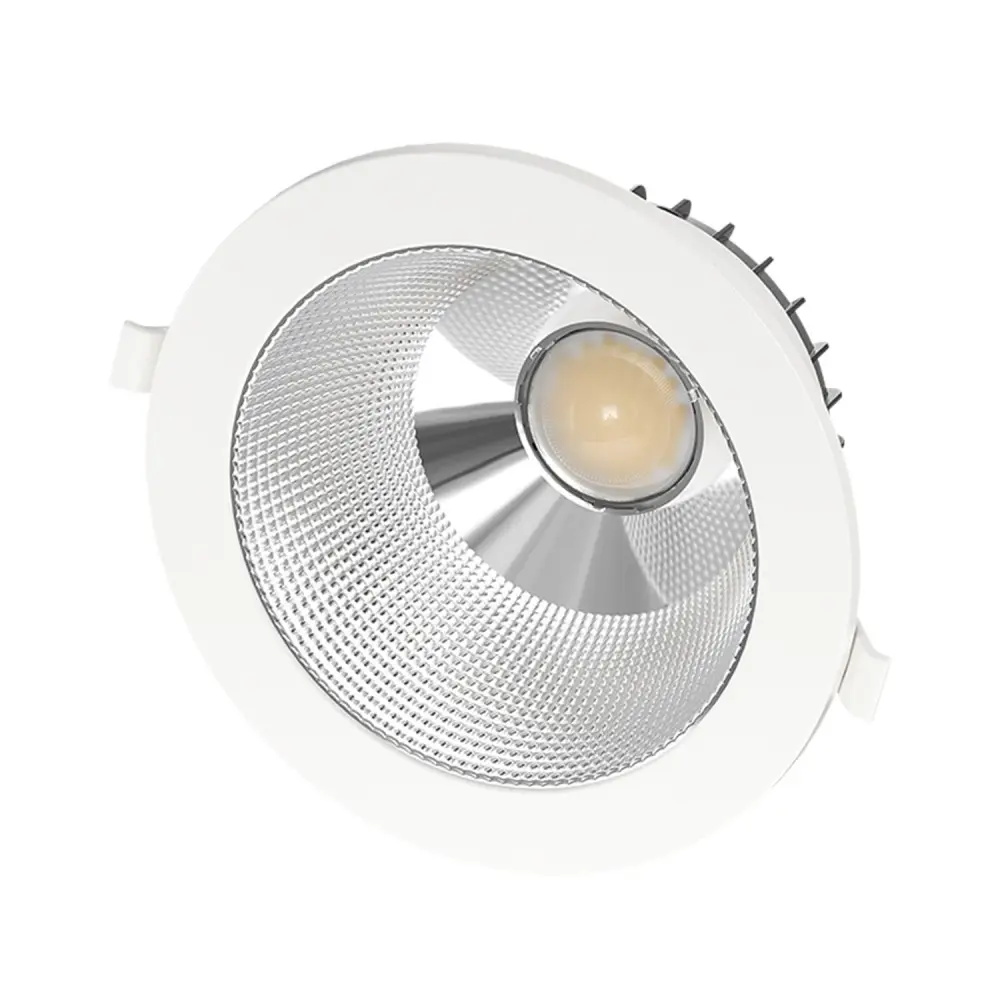
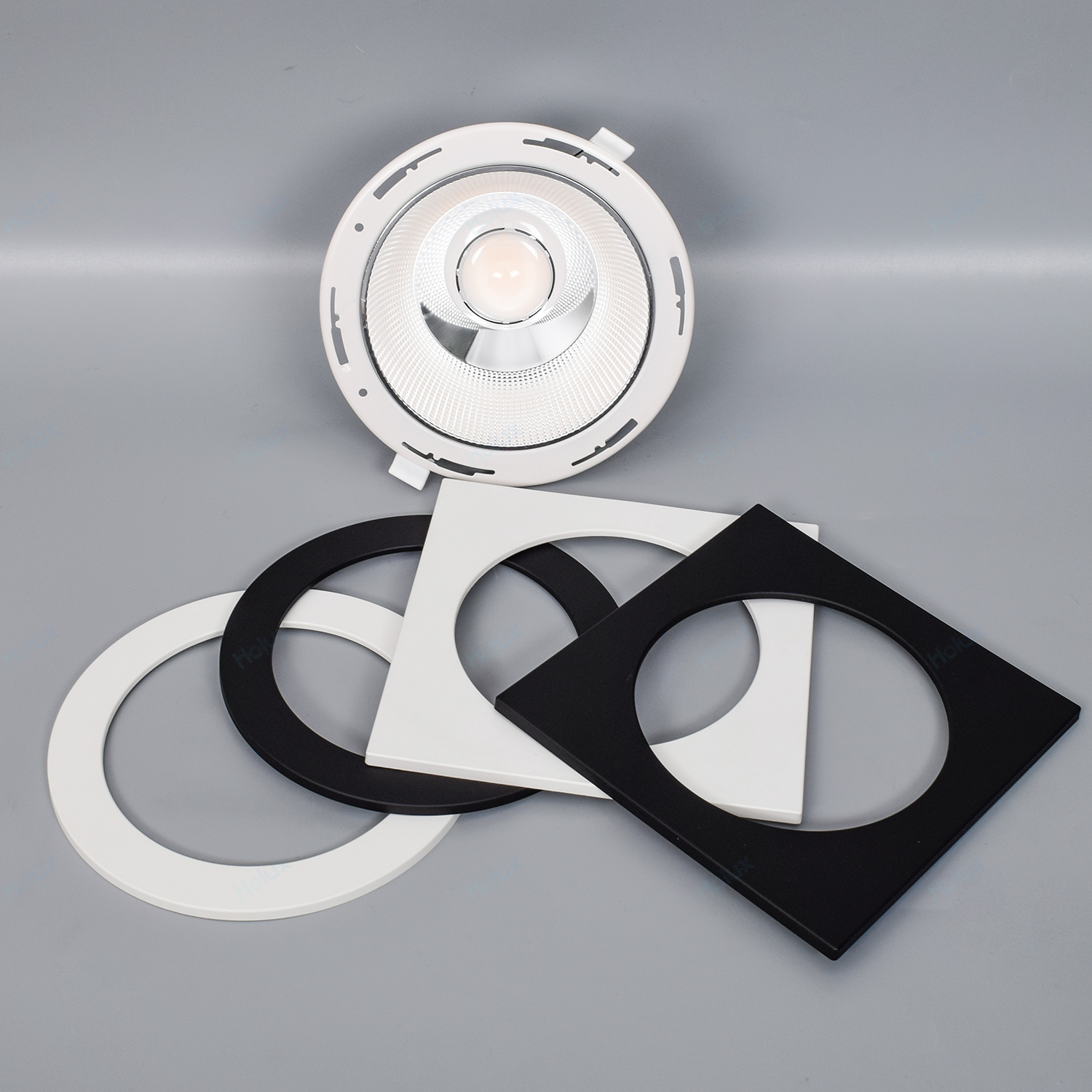
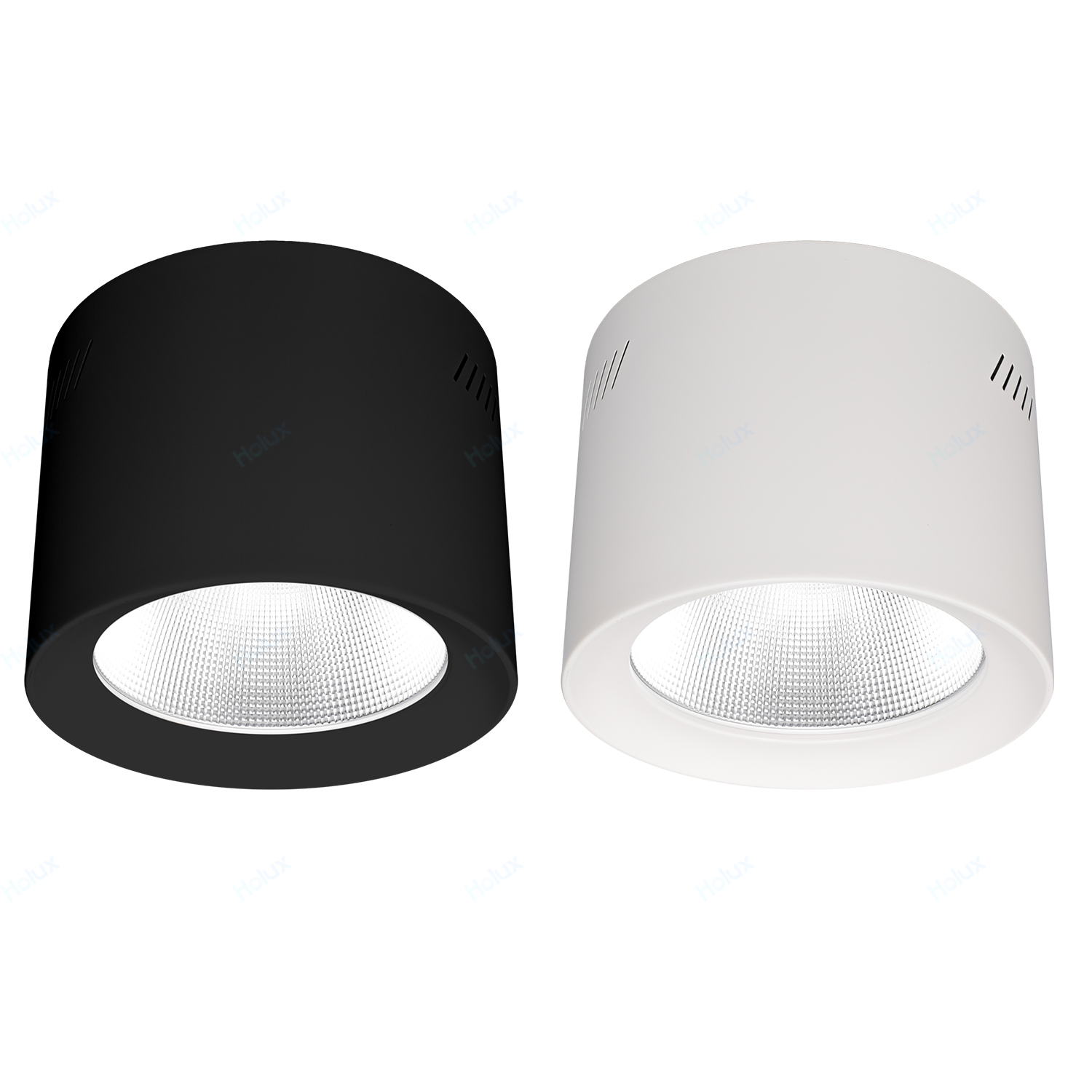
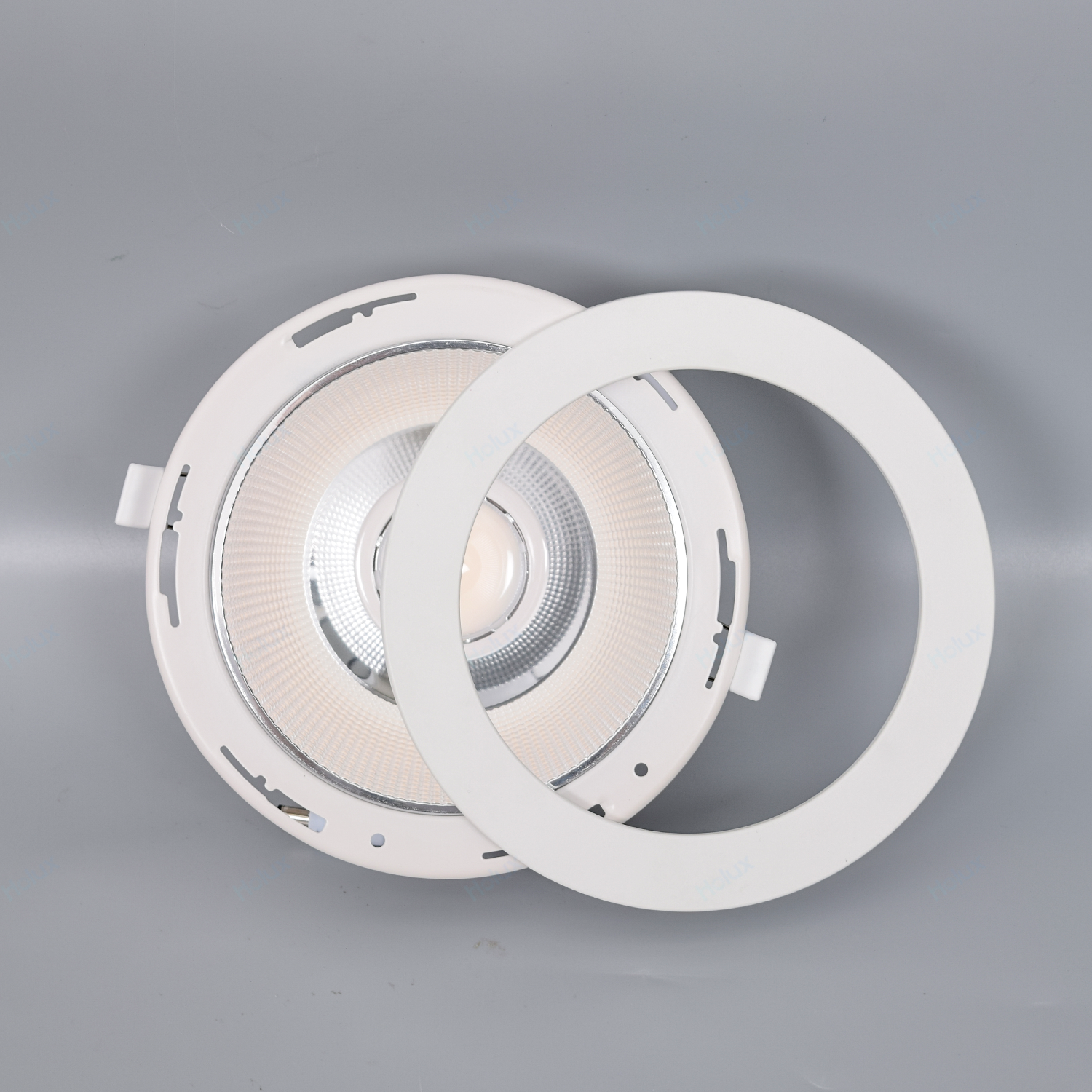
Modern adjustable downlight technology embraces connectivity and control capabilities that extend far beyond simple on-off switching, offering integration with sophisticated smart home systems and building automation platforms that deliver enhanced functionality, convenience, and energy optimization. Compatibility with multiple dimming protocols including TRIAC phase-cut dimming, 0-10V analog control, DALI digital addressable lighting interface, and wireless protocols such as Zigbee or Bluetooth mesh networking ensures that the adjustable downlight can participate in virtually any control architecture from basic residential installations to complex commercial lighting management systems. This control flexibility allows users to create customized lighting scenes that combine multiple fixtures at predetermined intensity levels, establishing optimal illumination conditions for specific activities such as entertaining guests, watching movies, preparing meals, or working on detailed tasks requiring concentrated light. Scheduling capabilities built into smart control systems enable the adjustable downlight to automatically adjust intensity levels throughout daily cycles, brightening gradually in morning hours to simulate natural sunrise effects, dimming during afternoon periods to conserve energy when natural daylight supplements artificial lighting, and reducing to minimal levels during evening hours to support circadian rhythm maintenance and healthy sleep patterns. Integration with occupancy sensors transforms the adjustable downlight into an intelligent fixture that activates automatically when people enter spaces and extinguishes after detecting vacancy for predetermined periods, eliminating wasted energy from lights inadvertently left operating in unoccupied rooms. Daylight harvesting systems can modulate adjustable downlight output in response to available natural illumination, maintaining consistent overall light levels while minimizing artificial lighting contribution and associated energy consumption during bright daytime conditions. Voice control compatibility through popular virtual assistant platforms allows hands-free operation of the adjustable downlight through simple spoken commands that adjust brightness levels, activate preset scenes, or switch fixtures on and off without requiring physical interaction with switches or mobile device interfaces. Remote access capabilities enable users to control the adjustable downlight from anywhere with internet connectivity, providing the ability to verify that lights are extinguished when away from home, activate lighting before arrival to ensure welcoming environments, or create occupied appearance patterns during extended absences to enhance security. The data collection capabilities of connected adjustable downlight systems provide insights into energy consumption patterns, usage habits, and operational characteristics that inform optimization strategies and identify opportunities for additional efficiency improvements throughout lighting installations.

 EN
EN